
resources
Explore the Map and Cities of Texas: A Comprehensive Guide
22 Mar 2026

Texas is an expansive state, isn't it? Initially, pinpointing locations and understanding the intricate network of cities and connecting routes can indeed feel a touch overwhelming. However, with a comprehensive map at your disposal, this navigational challenge becomes remarkably straightforward. A well-designed map illustrating the diverse cities of Texas significantly simplifies trip planning, whether you're embarking on an extensive cross-state journey or merely a brief weekend escape. Let's delve into how maps serve as invaluable aids for traversing the Lone Star State, guiding you from its bustling urban centers to its tranquil rural byways.
Key Takeaways
- A reliable map, clearly delineating Texas's cities and geographical features, is exceptionally beneficial for journey planning and spatial orientation.
- The state boasts a multitude of fascinating routes, ranging from primary interstates to picturesque, less-traveled back roads.
- Maps are instrumental in uncovering remarkable destinations, including natural wonders and distinctive small towns that might otherwise remain undiscovered.
- Official Texas travel maps and guides are readily available and free of charge, offering highly practical resources for meticulous planning.
- Proficiency in map reading empowers you to navigate seamlessly within specific cities or across expansive regions like Big Bend National Park.
Understanding the Map and Cities of Texas
Navigating the Vastness of Texas
Texas, as we know, is an extraordinarily large state, and at first glance, trying to grasp its geographical expanse can feel somewhat daunting. Yet, with a well-produced map, this task becomes considerably more manageable. Consider a map your indispensable companion for exploring the myriad attractions Texas presents, from its major metropolitan areas to its serene country roads. It graphically illustrates how all these elements interrelate, which is undeniably helpful when planning any excursion.
Key Elements of a Texas Map
Upon reviewing a Texas map, several key features immediately stand out. Major highways, often depicted as thicker lines, represent the primary arteries linking the state's significant cities. You'll also observe a network of smaller thoroughfares, such as state and county routes, which guide you into charming smaller towns and deeper into the countryside. Cities themselves are typically marked with distinct dots or circles, accompanied by their clearly printed names. While prominent urban centers like Houston, Dallas, and San Antonio are easily identifiable, remember that hundreds of smaller communities are dispersed across the landscape. Acquiring a firm understanding of these lines and symbols is, in essence, the foundational step toward truly comprehending the state's geography.
The Role of Maps in Spatial Awareness
Maps are more than just lines on paper; they're tools that help us understand our place in the world. For a state as large and varied as Texas, a map is indispensable for grasping the distances between places, the flow of major routes, and the distribution of its many communities. It helps build a mental picture of the state's geography.
Engaging with a map provides an intuitive sense of Texas's immense scale and how its diverse regions connect. It transcends merely locating a specific address; rather, it cultivates an appreciation for the broader geographical context. For instance, visualizing the proximity of Austin to San Antonio on a map can significantly influence your travel decisions. You begin to discern patterns—like the clustering of towns in particular areas or the expansive spread of highway networks. This nuanced spatial awareness is exceptionally valuable, whether you're meticulously planning an extensive road trip or simply seeking to better understand the state. Ultimately, it enables more informed choices about where to go and how best to get there. For this kind of strategic planning, you'll find official Texas travel maps particularly useful; consider consulting the Texas Official Travel Map.
Exploring Texas's Urban Centers
Texas is, without a doubt, a state that boasts a rich tapestry of diverse cities, each offering a distinct flavor of Texan life. From sprawling metropolises to quaint, smaller towns, comprehending their unique layouts and points of interest is paramount for a truly rewarding visit. In this endeavor, maps prove to be your most reliable ally, helping you grasp how these places are structured and what truly makes them vibrant.
Planning Your City Adventures
When contemplating a visit to any Texas city, it's wise to approach it with a general framework in mind. Begin by identifying a few neighborhoods or districts that pique your interest. From there, explore the surrounding areas: are there historical landmarks, inviting parks, or renowned local eateries you'd like to experience? Perusing travel blogs or local reviews can often reveal those hidden gems that aren't typically featured in mainstream guidebooks. Furthermore, consider your preferred mode of transportation. Is the city pedestrian-friendly, or will public transit or a personal vehicle be necessary? Utilizing a map to visually outline your intentions can significantly enhance your experience, ensuring you maximize your time and discover the city's finest attributes.
Understanding City Layouts Through Maps
Cities can, at times, appear labyrinthine, but maps are instrumental in clarifying their underlying structure. Many Texas cities, particularly their newer sections, are founded upon a straightforward grid system, characterized by orderly, rectilinear streets. Conversely, older districts might feature more winding, organic road patterns. A comprehensive map clearly delineates how various areas interconnect and how the city is organized overall. This insight is remarkably beneficial when navigating an unfamiliar locale, helping you quickly orient yourself. Moreover, it offers a visual narrative of the city's evolutionary growth over time.
Here's a glimpse at the general layouts of some major Texas cities:
| City | General Layout |
|---|---|
| Houston | Extensive network of highways and loop roads |
| Dallas | Expands outward from the center in many directions |
| San Antonio | Follows the river, with a historic downtown core |
| Austin | Mix of grids and organic growth, especially east |
| Fort Worth | More spread out, with distinct districts |
Discovering Neighborhoods and Points of Interest
When planning your urban exploration, it's advisable not to limit your focus solely to the major, well-known attractions. Instead, allocate time to delve into specific neighborhoods to truly absorb a city's distinctive character. Each Texas city boasts areas with their own unique atmosphere and charm. Whether you opt for digital or traditional paper maps, you can leverage them to:
- Clearly mark the neighborhoods you're eager to explore.
- Pinpoint both widely recognized attractions and beloved local favorites, such as bustling farmers' markets or captivating public art installations.
- Note essential amenities and transit points, including public transportation stops or bike rental stations.
Exploring the unique character of different neighborhoods can truly elevate a standard city visit into a much richer experience. It's often about uncovering those hidden spots that imbue a place with its genuine personality.
Considering specific districts can indeed streamline your itinerary and enrich your visit:
- Dallas Arts District: Home to major museums and performance venues.
- Austin's East Side: Renowned for its vibrant live music scene, diverse food trucks, and compelling street art.
- Houston Heights: Distinguished by its historic homes, charming antique shops, and inviting local parks.
- San Antonio's Pearl District: A thoughtfully revitalized area offering exceptional dining, unique boutiques, and convenient access to the iconic River Walk.
Mapping Texas's Diverse Regions
Texas isn't merely vast in its geographical footprint—it's equally immense in its regional diversity. Every corner of the state brings something distinct to the experience, and a well-rendered map often narrates this story more effectively than any glossy travel brochure. By dissecting the state into its constituent areas, you begin to discern how the various cities and landscapes coalesce, transitioning seamlessly from dense urban cores to expansive, untamed prairies.
Patterns of City Distribution Across Texas
Upon examining a detailed map, one observation quickly becomes apparent: East and Central Texas exhibit a significantly higher concentration of cities and towns, while the western half progressively thins out. This distribution isn't arbitrary; it's a direct reflection of historical settlement patterns and environmental factors. The eastern portion, blessed with greater water resources and a longer history of development, naturally fostered more communities. Conversely, the arid conditions of West Texas mean towns are often separated by considerable stretches of open, often rugged, terrain.
Here's a table illustrating typical city size and urban density across various regions of the state:
| Region | Typical City Size | Urban Density |
|---|---|---|
| North Texas | Big cities, mid towns | Dense at core, sparse elsewhere |
| West Texas | Mostly small towns | Very sparse |
| Central TX | All sizes (big & small) | Moderate to dense |
| Gulf Coast | Large to mid-sized | Dense along the coast |
Indeed, the map serves as an honest arbiter: higher population concentrations invariably lead to more cities, with numbers diminishing noticeably as you venture into the expansive ranchlands and desertscapes.
Regional Highlights and City Spotlights
Each region within Texas boasts its own distinctive allure. When consulting your map, consider exploring these particularly compelling areas:
- The Hill Country, encircling Austin and San Antonio, is replete with picturesque small towns and beautifully undulating green landscapes.
- The Houston area is characterized by its sprawling suburbs and diverse neighborhoods, a complex network that is certainly best navigated with a detailed map in hand.
- West Texas offers an experience of vast, open spaces, with the city of El Paso serving as a vibrant outpost, providing a profound sense of isolation and grandeur.
- The Panhandle, situated in the northern reaches, is primarily agricultural, featuring tight-knit communities such as Amarillo and Lubbock.
It can be quite surprising how swiftly one transitions from bustling city life in Texas to profound rural quietude—a single turn off a major highway can transport you miles from the nearest town. This forms part of the state's unique adventure, and adept map reading undeniably mitigates any potential stress.
Visualizing Urban and Rural Landscapes
The demarcation between urban and rural often blurs in Texas, presenting a unique geographical character. Maps excel at illustrating how cities frequently appear as concentrated points enveloped by vast stretches of natural landscape. When planning a road trip or simply seeking new areas to explore, it's beneficial to keep these considerations in mind:
- Larger metropolitan areas can be separated by hundreds of miles, necessitating ample fuel and thorough advance preparation.
- Smaller towns frequently harbor hidden treasures—think quirky diners or unique local parks—especially if you're willing to meticulously scan your map for them.
- While major highways efficiently connect most population centers, venturing onto certain backroads will immerse you in authentic farm and ranch country, offering a truly distinct perspective of Texas life.
To truly grasp the regional differences, taking a moment to thoroughly study a map—observing the trajectories of highways and the clustering of towns—can make all the difference in your understanding and appreciation of the state.
Utilizing Maps for Effective Travel Planning
Practical Uses for a Texas Map Showing Cities
So, you've acquired a Texas map with its cities clearly delineated—an excellent starting point, indeed! These aren't merely decorative items; they are powerful navigational instruments capable of significantly streamlining your travels. Whether you're meticulously orchestrating an extensive cross-state road trip or simply aiming to discover an intriguing lunch spot in an unfamiliar town, a comprehensive map helps you visualize the grand scheme and formulate a robust plan. It effectively transforms a vast, potentially bewildering state into something readily comprehensible and navigable.
Trip Planning and Route Optimization
Navigating Texas can sometimes feel like solving a complex puzzle, especially if your goal is to experience a great deal without squandering precious time. Here, a map becomes your most trusted ally. It allows you to discern the most direct routes between urban centers, but crucially, it also unveils alternative paths should you desire a more adventurous journey or a particularly scenic drive. Along these routes, you can readily identify suitable points for rest stops or meal breaks, intelligently segmenting those longer stretches behind the wheel. Furthermore, possessing a physical or digital map ensures you always have a fallback route available, invaluable in the event of unforeseen road construction or adverse weather conditions.
Here’s a concise guide to optimizing your route planning:
- Determine the swiftest path: Focus on major highways that directly connect your chosen destinations.
- Consider scenic detours: Sometimes, a slightly less direct route via smaller roads can lead to unexpected, delightful discoveries.
- Strategize your stops: Pinpoint towns or points of interest that allow for pleasant intermissions during your journey.
- Prepare a contingency: Always be aware of alternative routes in case of unexpected delays or closures.
Maps empower you to see not only where you're headed, but also what captivating experiences you might stumble upon along the way. Don't hesitate to venture onto those smaller roads; that's often where the authentic charm of Texas truly reveals itself.
Interpreting Map Features for Navigation
To truly harness your map's full potential, a fundamental understanding of its myriad symbols and lines is essential. Most maps incorporate a legend, typically located in a corner, which provides a comprehensive explanation of these conventions. This legend will clarify the meaning of various colors, identify symbols representing parks or hospitals, and, critically, teach you how to read the scale bar. The scale bar is indispensable for accurately calculating actual distances—how many miles truly separate two points. Additionally, pay close attention to highway numbers and exit signs; they serve as vital cues regarding your progress and impending turns. Mastering these basic interpretative skills will not only simplify map reading but also significantly reduce the likelihood of getting lost.
Here are some crucial elements to observe:
- The Legend: Your indispensable key to deciphering all the map's symbols and notations.
- The Scale Bar: Essential for converting map distances into real-world mileage.
- Highway Markers: Indispensable for tracking your location and identifying upcoming exits.
- Street Patterns: Grid layouts are generally straightforward to follow; winding streets often suggest older urban areas or hilly terrain.
Official Resources for Texas Exploration
Texas Official Travel Map
When orchestrating a journey across the vast Lone Star State, possessing a reliable map is unquestionably important. The Texas Official Travel Map stands out as an excellent starting point. It clearly illustrates the principal highways, secondary roads, and the precise locations of all major cities and towns. This map is thoughtfully designed to provide a lucid, comprehensive overview of the entire state without becoming overly convoluted. It truly serves as your initial guide in understanding how to effectively traverse Texas.
Texas State Travel Guide
Consider this guide a substantial compendium brimming with information about notable attractions and activities throughout Texas. It meticulously lists hundreds of cities and provides insightful details on state parks, lakes, and a plethora of other intriguing destinations. For those who favor proactive planning, a digital version is often available online, offering the convenience of searchable content or downloadable access. It proves immensely helpful for generating ideas about potential destinations and enriching experiences.
Accessing Travel Information
Obtaining these valuable resources is generally quite straightforward. Many of these materials, including the official map and the comprehensive travel guide, are frequently offered free of charge. Travelers can typically request them directly through official Texas tourism websites. In certain instances, particularly for businesses or entities within the travel industry, options may exist for acquiring larger quantities. The overarching goal is to ensure that all travelers have convenient access to the information necessary for a rich and effective exploration of the state.
Having these official resources readily at hand can genuinely transform your Texas experience. They establish a solid foundation and provide specific details to aid your exploration, guiding you effectively from the bustling metropolises to the tranquil, less-traveled country roads.
Connecting Cities with Texas Highways
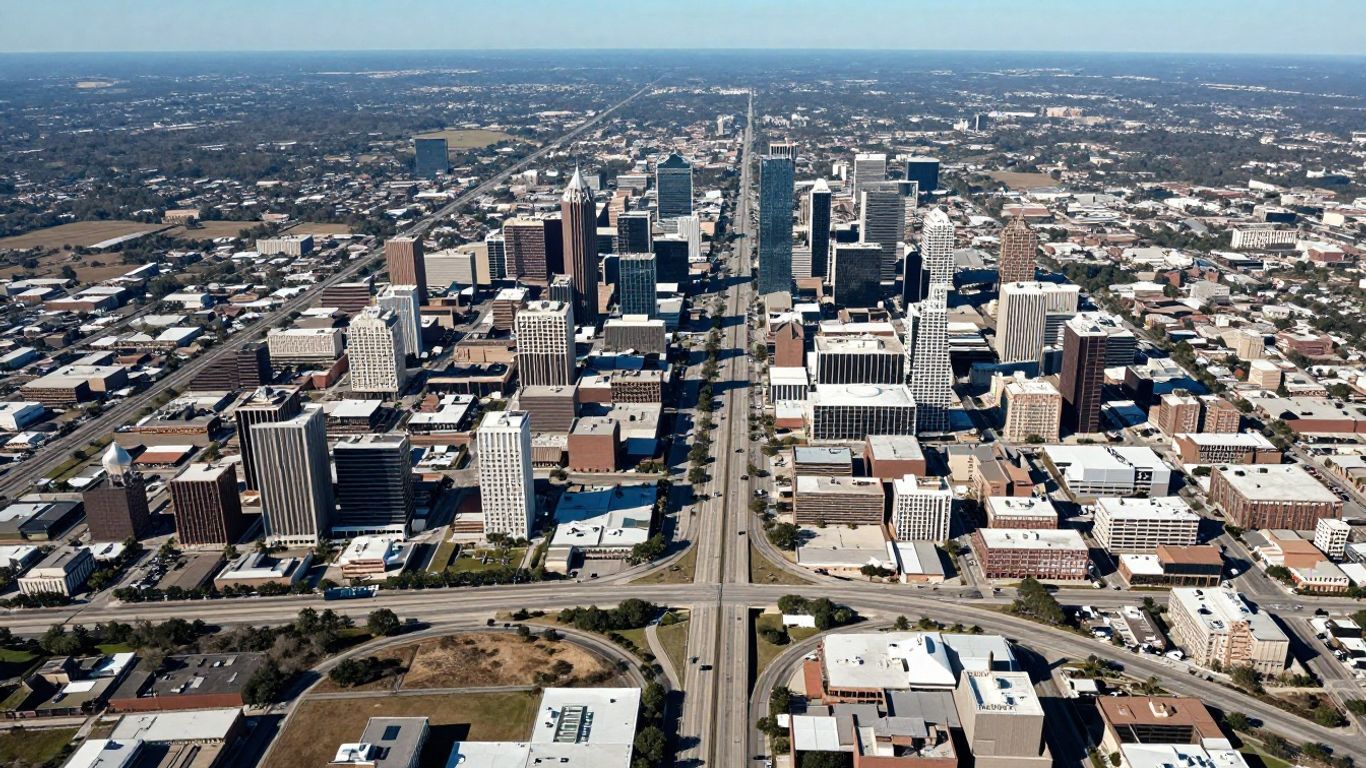
Texas is a state fundamentally defined by its sheer magnitude, and its highway system functions as the critical arteries that maintain its connectivity. A thorough understanding of these principal routes is absolutely essential for seamless travel, whether you're navigating between major urban centers or simply seeking out an excellent local diner off the beaten path. These are far more than just roads; they are the lifelines that profoundly shape how residents live, work, and journey across the sprawling Lone Star State.
Major Highways Linking Cities
Several key highways form the veritable backbone of Texas's extensive transportation network. Picture them as the main thoroughfares that elegantly stitch the entire state together. Interstate 35, for instance, serves as a crucial north-south corridor, linking prominent cities such as Dallas, Austin, and San Antonio, eventually extending southward to Laredo. On the east-west axis, Interstate 10 is your primary conduit, connecting Houston, San Antonio, and El Paso. Beyond these giants, U.S. Highway 287 holds significant importance for North Texas, facilitating connections between smaller towns and larger urban areas. Complementing these major routes is an intricate web of state and county roads, branching out to guide you toward more secluded and out-of-the-way destinations.
Understanding Highway Networks
These highways are certainly not arbitrary lines drawn on a map; rather, they are meticulously engineered with distinct purposes. Interstates, by design, facilitate high-speed, long-distance travel, typically featuring multiple lanes in each direction. State highways, while often slightly smaller, still serve to connect significant towns and cities. County roads, becoming even more localized, usher you into rural expanses and smaller communities. It's beneficial to grasp these distinctions, as they directly influence your travel speed and the kind of scenery you'll encounter. For instance, while sticking to interstates is ideal for covering vast distances quickly, one might inadvertently miss the unique charm of smaller towns often found along state highways.
The intricate layout of these roads tells a compelling story about Texas's evolution and the migratory patterns of its people over generations. It's a fascinating blend of carefully planned routes and organic growth, each pathway leading to something intriguing.
Route Optimization Strategies
When orchestrating a trip, careful consideration of your route is a foundational element. Naturally, you'll want to reach your destination efficiently, but perhaps you also harbor a desire to discover some captivating sights along the way. So, what's the best approach? Here are a few key considerations to bear in mind:
- Evaluate your destination: Are you heading for a major city or a quaint small town? This will significantly influence your choice of highways.
- Factor in time: While interstates offer speed, state highways can often present more scenic vistas or pass through fascinating locales. Sometimes, a slightly longer route truly is worth the extra mileage.
- Monitor for construction or traffic: Particularly around major urban centers, traffic congestion can pose a considerable challenge. Utilizing a map application with real-time condition updates can spare you a multitude of frustrations.
- Identify key connections: Observe how different highways intersect and link up. Occasionally, a quick transition from an interstate to a state highway can lead you directly to a specific attraction you're eager to visit.
By cultivating a deep understanding of Texas's major highways and their interconnectedness, you can plan your travels across the state with significantly greater efficacy, thereby ensuring you extract the maximum enjoyment and insight from your journey.
Wrapping Up Your Texas Exploration
As we've explored, maps are truly indispensable tools for navigating the vast and varied landscape of Texas. Given the state's immense size, the initial task of orienting oneself can certainly feel overwhelming. However, armed with a comprehensive map that clearly delineates its cities, the process of planning any journey—be it an epic cross-state road trip or a spontaneous weekend getaway—becomes remarkably straightforward. You gain the ability to trace major thoroughfares, locate charming smaller towns, and even pinpoint intriguing destinations that might otherwise have eluded your notice. Consider a map your steadfast companion in uncovering all the diverse facets of Texas, from its vibrant urban hubs to its serene, undeveloped countryside. It genuinely renders the exploration of this grand and beautiful state far more manageable and, dare we say, enjoyable.
Frequently Asked Questions
How can I easily find where cities are in Texas?
The most effective method for locating cities in Texas is by utilizing a detailed map that clearly marks all urban centers. These maps provide a visual overview of major cities and smaller towns alike, thereby simplifying trip planning and enhancing your overall understanding of the state's geographical layout.
Are there official maps I can use to plan my Texas trip?
Absolutely! Texas tourism authorities provide free official travel maps and comprehensive guides. These resources meticulously detail cities, major roadways, state parks, and numerous other points of interest. They are typically accessible online or can be acquired at official visitor centers across the state.
How do maps help when I'm exploring a city in Texas?
Within urban environments, maps are exceptionally valuable. They illustrate street networks, pinpoint the locations of museums or parks, and can even assist you in determining the most efficient mode of transport—be it walking, driving, or utilizing public transit—to navigate the city effectively.
Can I use a map to find small towns and hidden spots, not just big cities?
Undoubtedly! Many maps thoughtfully highlight scenic routes and secondary roads, which are ideal for discovering unique small towns, picturesque rural landscapes, or tranquil natural areas away from the usual crowds. It's often on these less-traveled paths that Texas reveals its most authentic charm.
How many cities are there in Texas, and do maps show all of them?
Texas is home to over 1,200 incorporated cities and towns! While most standard maps will prominently feature the larger cities and many smaller communities situated along major routes, a map that includes every single town would need to be exceptionally detailed, often requiring specialized atlases or regional guides.
What's the best way to understand the distances between Texas cities on a map?
To accurately gauge distances between Texas cities on a map, always refer to the map's scale bar. This feature, usually found in a corner, provides a visual representation of how to convert linear measurements on the map into actual real-world distances, typically expressed in miles.


