
resources
Exploring the Vibrant Cities of Africa: A Comprehensive Guide
20 Mar 2026

Africa, a continent renowned for its breathtaking diversity, truly captivates visitors with its array of magnificent cities. This guide endeavors to explore some of its most compelling urban destinations, with a particular focus on the vibrant offerings of South Africa. We will delve into picturesque cities, the awe-inspiring wildlife that often lies just beyond their borders, the profound history that has shaped these locales, and practical considerations for planning your journey. If you are contemplating a visit to Africa's dynamic urban centers, this resource aims to provide an invaluable starting point—a comprehensive overview of what to anticipate and how to make the most of your adventure.
Key Takeaways
- South Africa presents a rich tapestry of urban life, natural beauty, and historical significance, positioning it as a premier destination for discerning travelers.
- Kruger National Park stands out as an unparalleled sanctuary for encountering wildlife, including the iconic Big Five; however, the continent boasts a wealth of other fascinating species waiting to be discovered.
- Cities such as Cape Town and Johannesburg each possess a distinct character, seamlessly blending natural splendor, rich cultural experiences, and pivotal historical landmarks.
- Venturing into regions like the Garden Route or the magnificent Victoria Falls enriches your itinerary with further stunning natural wonders.
- Diligent planning is crucial, particularly concerning optimal travel seasons, local transportation, and any necessary visa requirements for your unforgettable African city adventure.
Discovering South Africa's Urban Heartbeats
Cape Town: Where Natural Splendor Meets City Vibrancy
Cape Town is a city that, quite simply, enthralls visitors from the moment of arrival. It truly embodies an extraordinary synthesis of spectacular natural beauty and a palpable urban dynamism, gracefully nestled between imposing mountains and the vast, cerulean ocean. One might ascend Table Mountain via cable car for panoramas that are nothing short of breathtaking, or perhaps opt for a leisurely stroll along the V&A Waterfront—an area perennially abuzz with diverse shops, exceptional dining establishments, and myriad activities. Moreover, a pilgrimage to Robben Island, hallowed ground where Nelson Mandela endured imprisonment, offers a profoundly moving and enduring experience. The city’s rich history and vibrant culture are undeniably woven into its very fabric, evident everywhere from the polychromatic houses of Bo-Kaap to its esteemed museums and thriving art venues. Indeed, Cape Town delivers a complete urban experience, imbued with an unmistakable South African essence.
Related Content:
Johannesburg: A Hub of Culture, History, and Modernity
Johannesburg—affectionately known as Jo’burg by locals—stands as South Africa’s largest metropolis and a pivotal nucleus of culture and history. While it may not possess the immediate, dramatic scenic allure of Cape Town, it nonetheless offers a deeply immersive glimpse into the nation’s complex past and its bustling contemporary reality. A visit to the Apartheid Museum is, without question, imperative for anyone seeking to comprehend South Africa’s arduous journey towards democracy. Beyond this, exploring Soweto, a township with immense political significance, provides another layer of understanding. Engaging in a bicycle tour there, for instance, can be an excellent way to connect with local residents and absorb their personal narratives. Furthermore, Johannesburg boasts a burgeoning arts scene, vibrant markets, and an increasingly acclaimed culinary landscape, making it an utterly fascinating destination for those eager to uncover its multifaceted story.
South Africa's urban centers offer a compelling mix of historical depth and contemporary energy, providing visitors with a rich tapestry of experiences that go far beyond typical tourist trails. Each city tells a unique story, shaped by its past and constantly evolving with its present-day dynamism.
Immersive Wildlife Encounters in African Cities
Kruger National Park: A Premier Wildlife Sanctuary
When one envisions African wildlife, the iconic "Big Five"—lions, elephants, leopards, rhinoceroses, and buffalo—undoubtedly spring to mind. Kruger National Park, in particular, presents one of the most remarkable opportunities to witness these magnificent creatures thriving in their natural habitat. Spanning an immense area, Kruger is far more than merely a checklist destination for the Big Five; it is, in fact, a vibrant, self-sustaining ecosystem teeming with life. Can you imagine the exhilaration of an early morning game drive, the air crisp with anticipation, as your seasoned guide expertly navigates the bush, meticulously searching for tracks and telltale signs of animal activity? You might be fortunate enough to spot a serene herd of zebras grazing peacefully, a majestic giraffe gracefully reaching for leaves high in an acacia tree, or even the elusive leopard, camouflaged and lounging on a branch. The park's incredibly diverse landscapes, which range from expansive grasslands to dense woodlands, support an astonishing variety of species, ensuring that every single visit is an entirely unique and memorable experience.
Here are some of the unparalleled highlights you can expect:
- The Big Five: Maintain a keen lookout for lions, elephants, leopards, rhinos, and buffalo. Witnessing them in their wild domain is an experience that truly leaves an indelible mark.
- Other Mammals: Beyond the Big Five, you'll encounter a captivating array of other species, including hippos, crocodiles, giraffes, zebras, various antelope species like impala and kudu, and many more.
- Birdlife: Kruger is a veritable haven for ornithologists and casual birdwatchers alike, boasting hundreds of species, encompassing majestic raptors, elegant water birds, and brilliantly colored smaller birds.
Whether you opt for the independence of a self-drive adventure or prefer the expertise of guided safaris, Kruger provides an accessible yet profoundly deep connection with the untamed African wilderness. Moreover, the park is excellently equipped with a range of accommodation options, from rustic camping sites to luxurious, comfortable lodges, catering to diverse budgets and personal preferences.
The sheer scale of Kruger dictates that conservation efforts are of paramount importance. Organizations tirelessly work to protect the park's inhabitants from persistent threats such as poaching and habitat loss, often engaging local communities in these absolutely vital initiatives.
Beyond the Big Five: Exploring Diverse Ecosystems
While the "Big Five" undoubtedly serve as a major attraction, Africa's urban peripheries and surrounding regions actually unveil a much richer, more intricate tapestry of wildlife and natural wonders. Numerous cities effectively serve as gateways to protected areas, showcasing the continent's truly incredible biodiversity. Consider, for instance, the iSimangaliso Wetland Park in KwaZulu-Natal, South Africa. This distinguished UNESCO World Heritage site is not solely focused on terrestrial animals; rather, it is a magnificent mosaic of interconnected lakes, swamps, and coastlines. Here, one can observe hippos and crocodiles gracefully navigating the waters, elegant flamingos wading in the shallows, and even elephants and giraffes freely roaming the expansive grasslands. It stands as a powerful testament to the sheer variety of African ecosystems, often existing within relatively close proximity to bustling urban centers.
Consider these compelling examples of diverse wildlife experiences:
- Marine Life: Coastal cities frequently offer access to truly spectacular marine ecosystems. Destinations like Sodwana Bay, nestled near iSimangaliso, boast vibrant coral reefs teeming with a kaleidoscope of fish, making it an exceptional location for diving and snorkeling enthusiasts.
- Unique Habitats: Delve into areas characterized by distinct environmental features. For instance, some reserves might feature desert-like landscapes supporting highly specialized species, while others might comprise lush rainforests or expansive wetlands.
- Avian Wonders: Africa's avian population is nothing short of spectacular. From the imposing ostriches to the diminutive, jewel-like sunbirds, and migratory species that traverse thousands of miles, birdwatching opportunities abound across a multitude of habitats.
These varied environments underscore the fact that an African wildlife adventure encompasses far more than simply ticking off a few famous animals. It is, in essence, about deeply appreciating the intricate web of life that flourishes across the continent's diverse landscapes, often just a brief journey from vibrant city life.
Cultural Tapestry and Historical Narratives
Exploring South Africa's Rich Heritage
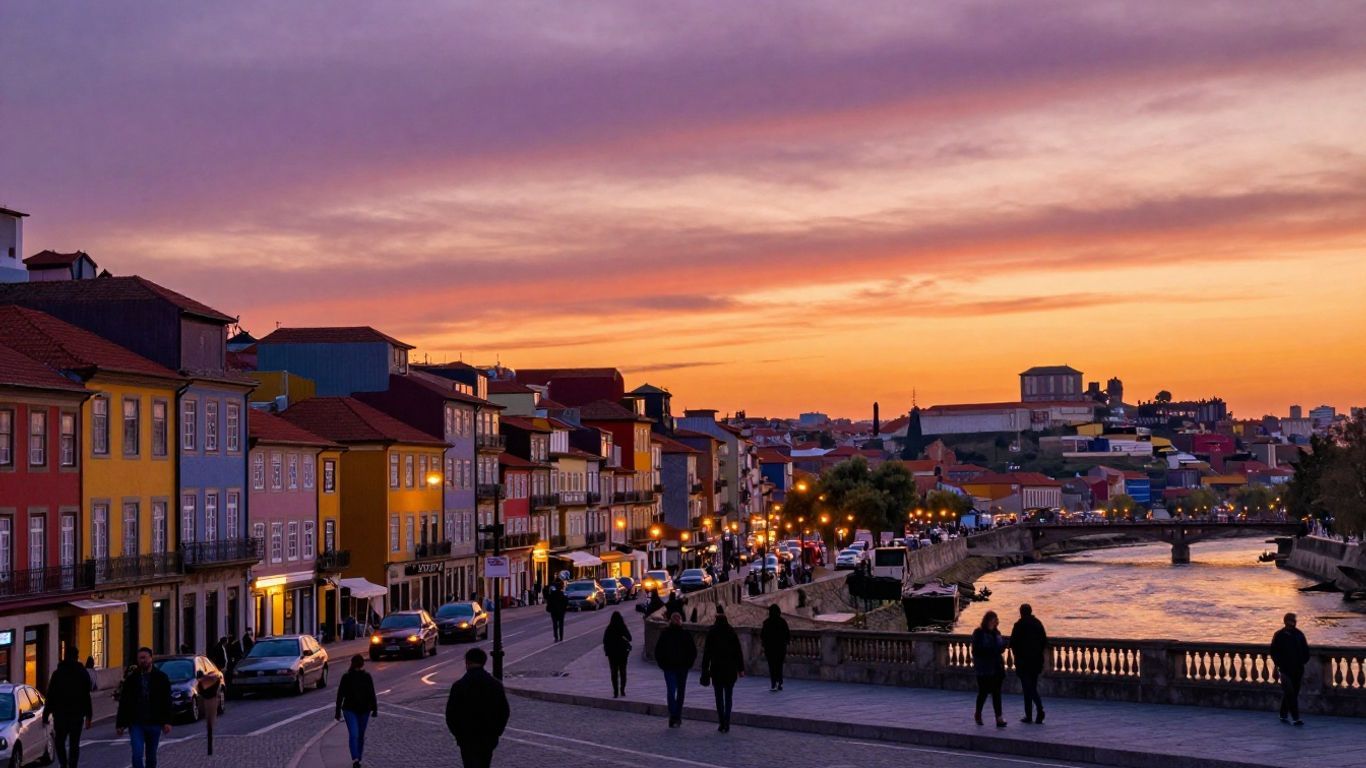
South Africa’s compelling narrative is a complex weave of countless threads, each contributing distinctly to its truly unique cultural fabric. It is a nation where ancient traditions harmoniously coexist with modern influences, forging a dynamic and perpetually evolving cultural landscape. This profound richness, we find, is beautifully reflected in everything from the myriad languages spoken to the art created and the vibrant festivals celebrated. Indeed, a comprehensive understanding of this heritage is absolutely fundamental to truly appreciating the resilient spirit of the nation.
Here are some key facets of South Africa's profound cultural heritage:
- Languages: South Africa officially recognizes an impressive 11 languages, including isiZulu, isiXhosa, Afrikaans, and English. This remarkable linguistic diversity is a direct consequence of its rich history, encompassing indigenous African languages, colonial legacies, and influences from various immigrant communities.
- Art and Craftsmanship: Traditional crafts here are far more than mere decorative objects; they frequently convey deep symbolic meanings. Consider, for example, the intricate beadwork, where specific colors and patterns can denote social status or tribal affiliation, or the vibrant textiles like Kente cloth, which literally narrate stories through their intricate designs.
- Music and Dance: Music, undoubtedly, forms the pulsating heartbeat of many South African cultures. From the infectious rhythms of Kwaito to the soulful melodies of traditional folk music, it serves as a powerful medium for celebration, storytelling, and social commentary. Dance holds an equally significant place, with a diverse array of styles reflecting different ethnic groups and ceremonial occasions.
- Festivals: Throughout the year, South Africa hosts numerous festivals, celebrating everything from bountiful harvests and significant religious holidays to pivotal historical events. These vibrant gatherings are crucial for preserving time-honored traditions and fostering strong community bonds.
The enduring legacy of South Africa's past, which includes periods of deep division and intense struggle, has profoundly shaped its present. Recognizing this history allows for a more complete understanding of the nation's remarkable resilience and its ongoing journey towards unity and reconciliation. This historical context is, quite simply, woven into the very fabric of its cultural expressions.
The Significance of Soweto's History
Soweto, an acronym derived from South Western Townships, is far more than just a residential area; it is a place utterly steeped in history, particularly concerning the monumental struggle against apartheid. As one walks its streets, the echoes of pivotal moments that indelibly shaped modern South Africa are almost palpable. It functions as a living museum, where solemn historical sites stand in poignant juxtaposition with the vibrant tapestry of contemporary community life.
Key historical aspects of Soweto include:
- The Apartheid Museum: While not physically located within Soweto itself, its close proximity and profound relevance make it an essential visit for understanding the broader context of the townships' history.
- Vilakazi Street: Remarkably, this is famously the only street in the world to have been home to two Nobel Peace Prize laureates—Nelson Mandela and Desmond Tutu. It stands as a powerful, enduring symbol of both resistance and unwavering hope.
- The Hector Pieterson Memorial and Museum: This poignant site commemorates the tragic Soweto Uprising of 1976, a courageous student protest against the compulsory imposition of Afrikaans as a medium of instruction. This event proved to be a critical turning point in the anti-apartheid movement.
- Community Life: Beyond its significant historical landmarks, Soweto is a bustling hub of activity, featuring vibrant shebeens (local taverns), lively music venues, and bustling markets that collectively showcase the indomitable resilience and spirit of its people.
Robben Island: A Journey Through Time
Robben Island, designated a UNESCO World Heritage Site, occupies an exceptionally significant position in South Africa's historical narrative, primarily as a notorious political prison during the apartheid era. Its most celebrated—and indeed, enduring—inmate was Nelson Mandela, who spent 18 of his 27 years of imprisonment confined within its stark walls. A visit to Robben Island, while undeniably somber, is an profoundly important experience, offering visitors a direct and visceral connection to the nation's arduous fight for freedom and the establishment of democracy.
Here's what a visit typically entails:
- Ferry Journey: The very journey to the island itself provides arresting views of majestic Table Mountain and the sprawling Cape Town skyline.
- Prison Tour: Guided by former inmates who share their firsthand experiences, the tour encompasses visits to the actual prison cells, including Mandela's, as well as other significant areas within the former maximum-security facility.
- Historical Context: Knowledgeable guides impart personal stories and crucial historical facts about the island's multifaceted past, including its earlier use as a leper colony and a mental hospital before its transformation into a political prison.
- Natural Beauty: Despite its often grim history, the island also functions as a thriving nature reserve, home to diverse birdlife and various seal colonies, offering a striking—and perhaps unexpected—contrast to its past.
The stark reality of Robben Island serves as a potent reminder of the immense sacrifices made in the pursuit of freedom. It is a place that demands profound reflection on the past and, in doing so, inspires a steadfast commitment to forging a more just future.
Navigating the Diverse Landscapes of African Cities
African cities are undeniably fascinating places, often perched at the captivating crossroads of dramatic natural beauty and vibrant urban dynamism. Understanding the precise lay of the land—both geographically and culturally—is absolutely crucial to truly experiencing them. From glistening coastal gems to bustling inland hubs, the unique environments surrounding these metropolises fundamentally shape their individual character and unfailingly offer distinct adventures.
The Garden Route: A Scenic Coastal Expedition
Stretching gracefully along the southern coastline of South Africa, the Garden Route is an internationally acclaimed expanse of breathtaking scenery. While not a city in itself, it represents a landscape that profoundly influences nearby urban centers and is remarkably accessible from them. Picture this: lush, ancient forests, dramatic, towering cliffs, and sparkling, crystalline blue waters. It is, quite simply, a region where one can effortlessly transition from invigorating city exploration to immersive nature experiences in a remarkably short span of time.
- Activities: Engaging hikes through venerable forests, exhilarating whale watching (in season, of course), discovering charming coastal towns, and indulging in local wine tastings.
- Wildlife: Though not primarily a safari destination, visitors might well spot dolphins, various seal species, and a rich diversity of birdlife.
- Scenery: Anticipate a captivating blend of rugged coastlines, pristine sandy beaches, and dense, indigenous woodlands.
This iconic route truly offers a stunning contrast to the bustling urban energy found just a comfortable drive away.
Victoria Falls: A Natural Wonder Near South African Cities
While not situated directly within a major South African city, Victoria Falls stands as an immensely significant natural landmark in Southern Africa, conveniently accessible from cities such as Johannesburg. Known locally by the evocative name 'Mosi-oa-Tunya' (meaning 'The Smoke That Thunders'), it is widely considered one of the largest and most awe-inspiring waterfalls on Earth. The sheer, overwhelming scale of the falls is utterly breathtaking, generating a colossal mist plume that can be observed for many miles around.
- Location: Gracefully straddling the border between Zambia and Zimbabwe.
- Activities: Observing the falls from various magnificent viewpoints, thrilling white-water rafting expeditions on the mighty Zambezi River, exhilarating bungee jumping, and serene sunset cruises.
- Experience: The raw power and thunderous sound of the cascading water create an utterly unforgettable sensory experience.
The proximity of such immense natural wonders to major urban centers vividly highlights the unique blend of experiences available in this extraordinary part of Africa. It serves as a potent reminder that adventure—grand and small—is often just around the corner from bustling city life.
Thoughtfully planning your journey to incorporate these remarkable natural sites can undoubtedly add another profound layer to your urban exploration, splendidly showcasing the incredible diversity of landscapes Africa generously offers.
Planning Your African Cities Adventure
Best Times to Visit South Africa's Cities
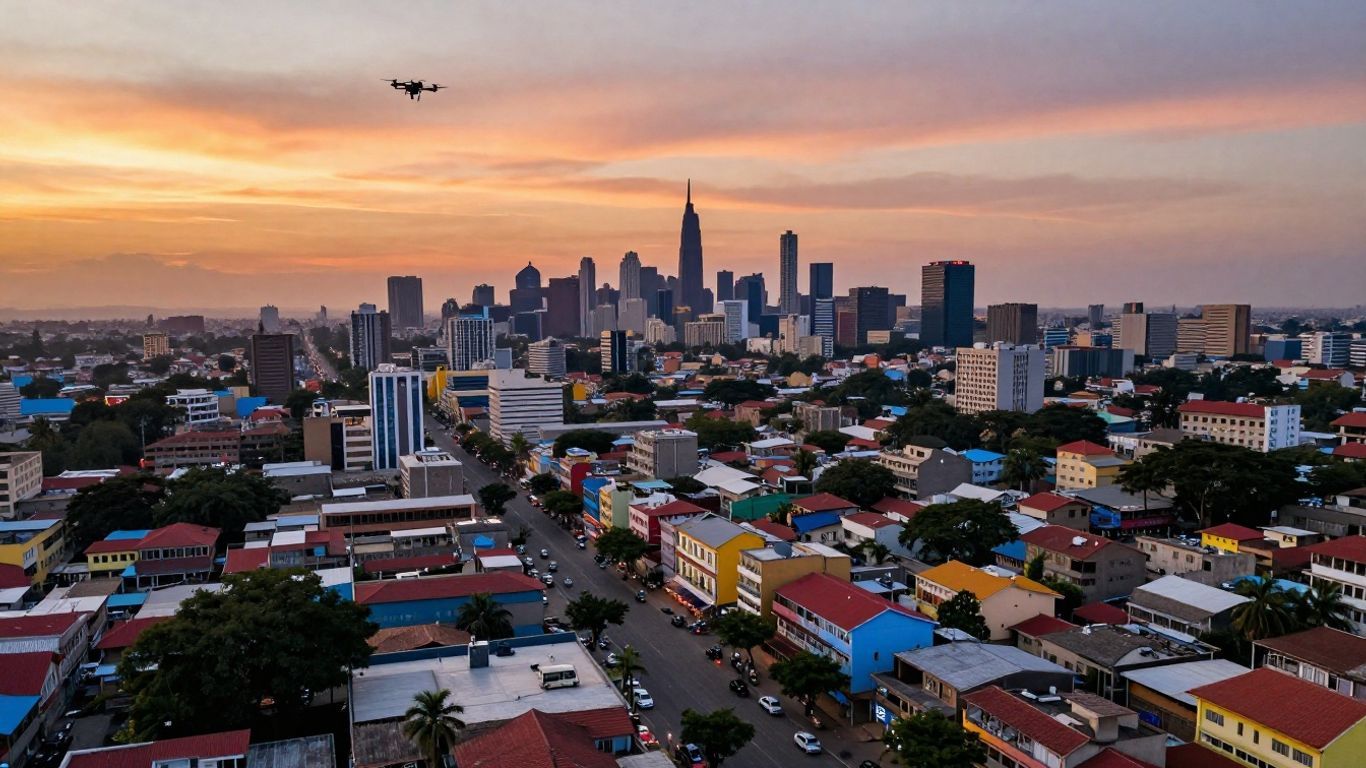
Determining the optimal time to visit South Africa genuinely hinges on what you hope to experience during your trip. Each season, after all, brings its own distinct ambiance and unique opportunities. If your primary focus is on exceptional wildlife spotting, the dry winter months—typically from May to September—are simply fantastic. During this period, animals tend to congregate around dwindling water sources, making them considerably easier to observe, and the surrounding vegetation is less dense. Moreover, the weather is generally cooler and quite pleasant for extended exploration.
For those who envision sun-drenched beach days in Cape Town or embarking on an exploration of the scenic Garden Route, the summer months, from November to February, are decidedly warmer with an abundance of sunshine. This season also offers excellent opportunities for whale watching along the coast, though it’s worth noting that it can be a busier and potentially more expensive period. Spring (September to November) and autumn (March to May) present a delightful middle ground, characterized by milder temperatures, fewer crowds, and truly beautiful scenery as the landscapes undergo their seasonal transformations.
| Season | Months | Weather Highlights |
|---|---|---|
| Summer | Nov - Feb | Warm to hot, sunny, ideal for coastal activities |
| Autumn | Mar - May | Mild temperatures, beautiful foliage, fewer crowds |
| Winter | Jun - Aug | Cool to cold, dry, excellent for wildlife viewing |
| Spring | Sep - Oct | Pleasant temperatures, blooming flowers, good for all |
Transportation Essentials for Urban Exploration
Navigating South Africa's cities is relatively straightforward, yet understanding your available options can certainly enhance your experience. In major urban centers such as Cape Town and Johannesburg, ride-sharing applications are widely available and represent a convenient method for traveling between destinations, particularly if you're not planning to rent a car. They are generally reliable and offer an excellent alternative to traditional taxis. Wondering about getting around for longer distances?
For more extensive journeys between cities, or should you wish to explore regions like the Garden Route, renting a car unequivocally provides the greatest degree of freedom and flexibility. Roads throughout the country are typically well-maintained, and most visitors quickly adapt to driving on the left side. Just be mindful of local speed limits and prevalent driving customs—they can differ markedly. Public transportation within cities can, at times, pose more of a challenge for tourists, though some urban areas do boast efficient bus rapid transit systems that can prove useful. If a truly hassle-free experience is what you seek, consider opting for organized tours, which frequently include transportation for specific excursions.
- Ride-sharing apps: Ideal for convenient city-to-city travel and shorter intra-urban trips.
- Car rental: Offers unparalleled flexibility for exploring beyond city limits and into scenic regions.
- Intercity buses: A budget-conscious option for travel between South Africa’s major towns.
- Guided tours: A highly convenient choice for specific attractions, ensuring seamless day trips and curated experiences.
Visa Requirements for Travelers
Visa requirements for entering South Africa can, in fact, vary quite considerably depending on your nationality. It is absolutely crucial to verify the specific regulations applicable to your country well in advance of your planned trip. Many nationalities are granted entry into South Africa for tourism or business purposes for up to 90 days without requiring a visa. However, it is important to note that certain countries do necessitate a visa, which must be diligently applied for and secured prior to your travel date.
Always, without exception, consult the official website of the South African Department of Home Affairs, or your nearest South African embassy or consulate, for the most current and accurate information. Crucially, ensure that your passport remains valid for at least 30 days beyond your intended departure date and contains a minimum of two blank pages for the requisite entry and exit stamps. Some travelers may also be required to provide tangible proof of onward travel arrangements or demonstration of sufficient financial means to cover their stay.
Planning ahead for visa requirements can alleviate a significant amount of potential stress. Double-checking official sources meticulously ensures you possess all the necessary documentation long before you even contemplate packing your bags.
Embark on Your African Adventure
Africa is, without a doubt, a continent brimming with an astonishing array of incredible places to see and captivating experiences to embrace. From the untamed grandeur of its national parks and the pulsating energy of its major cities to the profound warmth of its people and the compelling depth of its history—there is, truly, so much to discover. Whether you are meticulously planning an exhilarating safari, eagerly exploring vibrant cultural hubs, or simply yearning to soak in the sheer diversity of its landscapes, this guide has, we sincerely hope, provided you with an excellent starting point. Remember, the most unforgettable trips are often those where one embraces the unexpected, remains open to new perspectives, and allows oneself to be fully present in every moment. So, pack your bags, open your mind, and prepare for an extraordinary journey across this truly amazing continent.
Frequently Asked Questions
What are the must-visit cities in South Africa?
Cape Town is celebrated for its stunning natural beauty and dynamic urban atmosphere, with iconic landmarks like Table Mountain and the bustling V&A Waterfront drawing considerable attention. Johannesburg, often referred to as Jo'burg, serves as a vital hub for culture and history, offering profound insights into the nation's past, notably through sites such as the Apartheid Museum and Soweto.
Can I see amazing wildlife near South African cities?
Absolutely! Kruger National Park is a globally renowned destination for encountering spectacular wildlife, including the majestic Big Five—lions, elephants, and rhinos, among others. It's an expansive park boasting a rich variety of animals and breathtaking scenery, making it ideal for unforgettable safaris.
What historical sites should I explore?
South Africa is rich with history. Robben Island, the former prison where Nelson Mandela was held, provides a powerful and poignant look into the country's past. Soweto also holds immense historical significance, illuminating the struggles and triumphs of its people.
Are there scenic drives or natural wonders to visit?
Indeed, the Garden Route is a famous scenic coastal drive, offering truly breathtaking vistas and charming towns. While not situated directly within South Africa, Victoria Falls is a spectacular natural wonder located nearby, which many travelers integrate into their itinerary for its sheer power and beauty.
When is the best time to visit South Africa?
The ideal time to visit genuinely depends on your travel priorities! For premier wildlife viewing, the dry season (May to October) is often recommended. If beach activities in Cape Town are your focus, the summer months (November to February) are perfect. Ultimately, South Africa is a year-round destination, but different seasons highlight distinct experiences.
How do I get around South Africa?
Navigating South Africa can be a bit challenging due to the country's vast size. You can travel between major cities via domestic flights. Renting a car is a popular and flexible option for exploring regions like the Garden Route. For urban exploration, ride-sharing applications and local taxis are commonly available.


