
resources
Unveiling the Top 20 Smart Cities in the World: Innovations Shaping Our Future
14 Apr 2026

Cities are undeniably evolving, and not merely within the confines of cinematic narratives. Across the globe, an increasing number of urban centers are leveraging technology and innovative concepts to enhance the quality of life for their inhabitants. Imagine smoother traffic flows, purer air, and public services that operate with remarkable efficiency—it’s quite an impressive transformation. We've curated a list featuring some of the world's foremost smart cities, those truly at the vanguard of these urban innovations. Let's delve into what distinguishes them and how they are actively shaping the future of metropolitan living.
Key Takeaways
- Smart cities harness technology and data to significantly improve daily life and foster greater sustainability.
- These urban centers are actively addressing pressing challenges such as traffic congestion, waste management, and energy conservation.
- Prominent cities like Singapore, Copenhagen, and Helsinki are frequently recognized as leading exemplars in this field.
- Key trends encompass intelligent transportation systems, sustainable urban planning, and seamless digital public services.
- The overarching objective is to create more livable cities that simultaneously uphold environmental responsibility.
Related Contents:
smart city project 2030 agenda
1. Singapore
Singapore, a dynamic city-state, demonstrates a remarkable ability to harmonize its rich heritage with cutting-edge advancements, firmly establishing itself as a leader in smart city initiatives. For years, the nation has diligently strived to elevate residents' quality of life, deploying technology not just for advanced gadgets, but for practical, everyday solutions that genuinely benefit people. It's more than simply being high-tech; it's about optimizing the city's functionality for its populace and for the planet.
Singapore's strategic approach centers on seamlessly integrating technology to enhance services and promote sustainability across all sectors.
Here are some of the principal areas where Singapore truly excels:
- Digital Services: Consider sophisticated applications like LifeSG. This unified platform streamlines access to numerous government services, ranging from healthcare appointments to permit applications, thereby significantly simplifying bureaucratic interactions.
- Green Spaces: Substantial effort has been invested in interconnecting urban parks and natural areas through initiatives such as the Park Connector Network. This thoughtful design encourages residents to walk, cycle, or simply enjoy the outdoors more frequently, fostering both better health and environmental well-being.
- Economic Hub: Singapore actively attracts significant technological investments, including new data centers. Such developments bolster the digital infrastructure essential for its smart city projects and maintain robust economic momentum.
The city's meticulous planning reflects a profound commitment to ensuring that as it expands and adopts new technologies, it steadfastly retains the attributes that make it such a desirable place to live – notably its abundant green spaces, vibrant community areas, and convenient access to essential services.
Looking ahead, Singapore has several ambitious projects in the pipeline. The Great Southern Waterfront project aims to establish new residential and community zones, while NS Square is envisioned as a premier venue for events and public gatherings. Even the Tuas Mega Port is undergoing a high-tech transformation with enhanced automation. These ongoing developments underscore a long-term vision for a city that is simultaneously efficient and eminently livable.
2. Copenhagen
Copenhagen stands as an exemplary urban center, expertly blending intelligence with environmental consciousness. The city has set an ambitious target: to become the world's first carbon-neutral capital by 2025 – a truly monumental undertaking. This unwavering commitment is evident in nearly every facet of urban life, from its innovative transportation networks to its sophisticated building heating systems.
One of the most striking features is undeniably its pervasive cycling culture. Over half of Copenhagen's residents commute to work or school by bicycle, a testament to the city's extensive and secure network of bike lanes. Yet, the commitment extends beyond cycling; the public transport system is exceptionally advanced, with Siemens assisting in modernizing the train network to facilitate smoother, more frequent services. Furthermore, new routes are continuously being introduced, such as the vital connection to Malmö in Sweden, significantly enhancing regional accessibility.
Copenhagen’s holistic approach to urban planning prioritizes livability and environmental stewardship. The city boasts an abundance of parks and even offers public swimming facilities directly within its urban core. Visionary projects like Opera Park are specifically engineered to mitigate the impacts of climate change, showcasing a forward-thinking resilience strategy.
The city is also developing Lynetteholm, an artificial island poised to accommodate thousands of residents and offer crucial protection to the harbor from rising sea levels. Complementing these efforts, its highly efficient district heating system ingeniously utilizes waste heat from power plants to warm homes, epitomizing a commitment to waste reduction and judicious resource management. This dual focus on sustainability and smart technology positions Copenhagen as a genuine leader, offering valuable lessons for other cities aspiring to similar achievements. For deeper insights into their innovative urban living strategies, explore Copenhagen’s approach to urban living.
Here's a concise overview of some of Copenhagen's smart city highlights:
- Carbon Neutrality Goal: Striving for carbon neutrality by 2025.
- Cycling Dominance: More than 50% of daily commutes are accomplished by bicycle.
- Efficient District Heating: Leverages waste heat for residential heating.
- Lynetteholm Project: A significant new island development providing housing and critical sea-level protection.
3. Helsinki
Helsinki, the capital of Finland, is truly carving out a distinguished reputation for itself in the realm of smart city living. Its initiatives transcend merely integrating technology into existing systems; instead, there's a profound focus on genuinely improving the lives of its residents. One might describe it as fostering an urban environment that is both intellectually astute and inherently considerate.
Among their most innovative achievements is the creation of a "digital twin" of the city, known as Helsinki 3D+. This exceptionally detailed virtual replica of Helsinki empowers urban planners to identify optimal strategies for construction and management, leading to a more efficient and greener city. It's akin to possessing a sophisticated crystal ball for urban development.
Helsinki's approach powerfully illustrates how technology can be harnessed to forge a more livable and sustainable urban environment, with a clear emphasis on addressing the fundamental needs of its residents.
Moreover, the Whim app revolutionizes urban transit. Helsinki residents can utilize this single application to navigate the city seamlessly across various public transport options, bicycles, and scooters. By simply paying a subscription, the app streamlines all aspects of mobility, marking a significant stride toward making urban mobility considerably more accessible for everyone.
Here are a few defining characteristics that distinguish Helsinki:
- Citizen-centric innovation: The city proactively engages its residents in the co-creation of novel solutions.
- Sustainable urban planning: Projects consistently prioritize the preservation of green spaces and advocate for eco-friendly lifestyles.
- Digital services: A substantial number of public services are readily available online, thereby enhancing their accessibility.
The city is also looking ahead, with new initiatives concentrated on crucial areas like the circular economy in construction and energy. It appears Helsinki is dedicated to setting a precedent for other global cities on how to pursue growth in a manner that benefits both people and the planet.
4. Barcelona
Barcelona stands as a compelling illustration of how technology can genuinely elevate urban life, all while preserving its distinct and enchanting character. It's not merely about deploying sophisticated gadgets; rather, it’s about employing intelligent solutions to address tangible challenges faced by its residents. Consider, for instance, their remarkably clever strategies for managing traffic and energy consumption.
One of the most widely discussed and praised innovations is their "superblocks" initiative. Essentially, the city has transformed several urban blocks into pedestrian-priority zones, restricting vehicular access and reallocating that valuable space for walking, cycling, and communal recreation. This not only makes neighborhoods feel safer but also significantly greener, proving to be a substantial advantage for everyone.
Barcelona is proactively deploying sensors and harnessing data to manage municipal resources with enhanced efficiency. This comprehensive strategy includes features such as smart streetlights that intelligently dim when pedestrian activity is low, leading to substantial energy savings. Moreover, their smart parking systems guide drivers directly to available spaces, effectively mitigating traffic congestion and driver frustration.
Here’s a glimpse into some of the astute advancements Barcelona is implementing:
- Smart Lighting: Adjusts brightness dynamically based on real-time activity levels, optimizing energy usage.
- Intelligent Parking: A user-friendly application directs drivers to vacant parking spots, notably reducing congestion.
- Superblocks: Reclaims street areas, dedicating them to pedestrians and integrating more green infrastructure.
- IoT Integration: Utilizes interconnected devices to streamline and optimize a diverse array of city services.
It is precisely this brand of practical, resident-focused innovation that positions Barcelona as a vanguard in the smart city movement. They are consistently demonstrating that a city's rich history and a high-tech future can, in fact, coalesce seamlessly.
5. Amsterdam
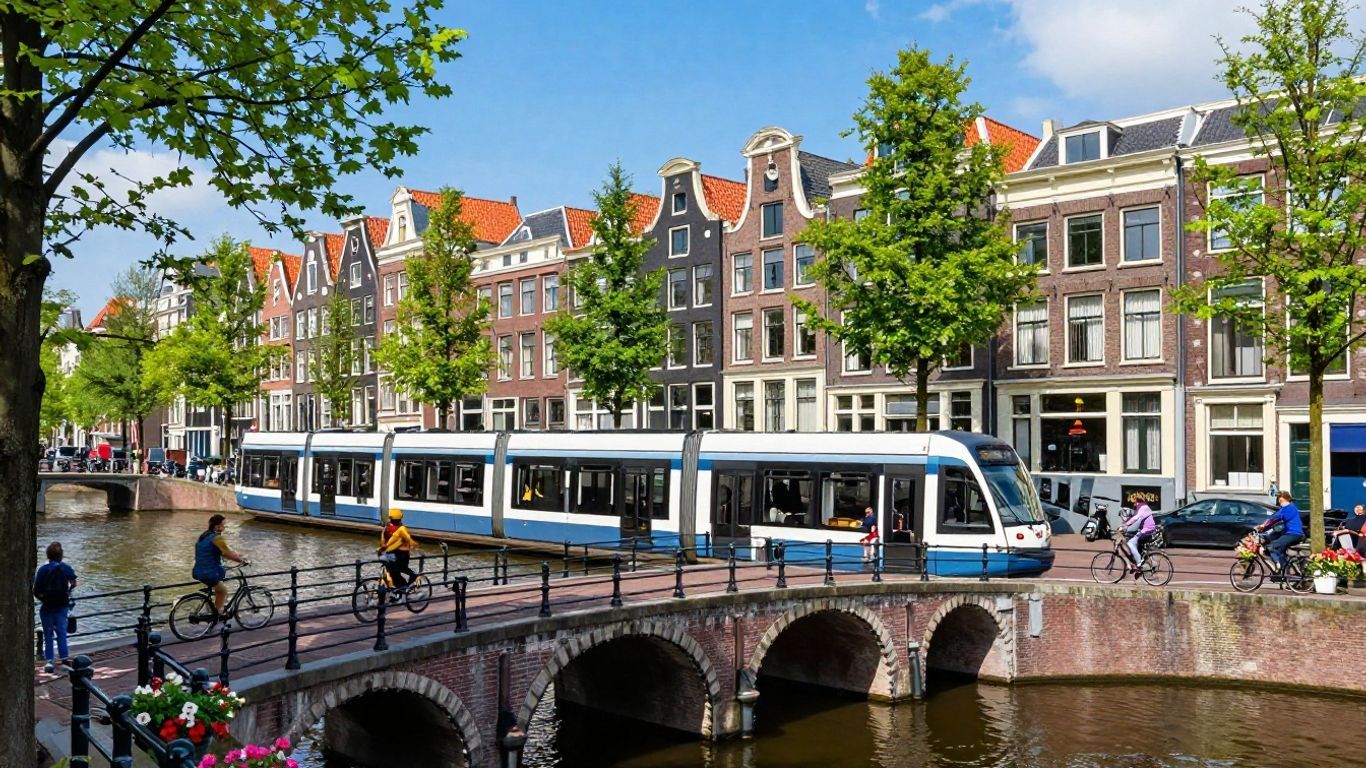
Amsterdam, a city renowned for its timeless charm, remarkably integrates this allure with truly forward-thinking concepts. Beyond its iconic canals and ubiquitous bicycles, this urban center is a significant player in the smart city arena, perpetually striving to enhance livability and sustainability for all its residents.
Sustainability holds paramount importance in Amsterdam, a commitment powerfully demonstrated through its ongoing initiatives. Projects such as the Modular Circular Utility Hub aim to future-proof its utility systems, ensuring resilience against forthcoming challenges. Then there's the “Klimaatstraat,” or Climate Street – an entire thoroughfare dedicated to piloting novel eco-friendly approaches. Witnessing these active efforts to diminish the city's environmental footprint is genuinely inspiring.
What's particularly commendable is the city's dedication to citizen engagement. The Smart City Experience Lab, for instance, offers residents a unique opportunity to test new technologies and provide their invaluable feedback. This collaborative approach ensures that the innovations being rolled out are genuinely relevant and beneficial for the people who will interact with them daily.
Amsterdam is keenly focused on ensuring that as the city continues its growth and evolution, it remains an exceptional place for its residents to thrive, transcending its appeal solely as a tourist destination. The city is actively exploring strategies such as refined tourism management and a thoughtful reconsideration of certain urban areas to maintain overall balance and well-being.
Here are a few key characteristics that make Amsterdam stand out:
- Green Mobility: Beyond its celebrated cycling culture, the city is actively promoting electric vehicles and superior public transport alternatives.
- Circular Economy: Projects are well underway to maximize material reuse and minimize waste, fostering a more sustainable mode of living.
- Digital Inclusion: Significant efforts are being made to guarantee universal access to digital services and the requisite skills to utilize them effectively.
Amsterdam’s integrated approach, which thoughtfully combines green living with smart technology and robust community involvement, serves as a compelling model for progressive urban development.
6. Seoul
Seoul, the bustling capital of South Korea, masterfully intertwines historical richness with contemporary innovation. While it undeniably boasts a plethora of gleaming skyscrapers and ultra-fast internet, the city's transformation into a smart city leader has been a multi-year endeavor, fundamentally aimed at improving the daily lives of its inhabitants.
Seoul's strategy is comprehensively focused on leveraging digital tools and intelligent design to address complex urban challenges. This commitment, evident since around 2011, manifests in ubiquitous advancements. Consider its internet speeds, for instance—among the fastest globally, with an eye already firmly fixed on 6G. Such unparalleled connectivity forms the very backbone of countless smart initiatives.
A distinguishing feature of Seoul's approach is its proactive citizen involvement. Dedicated platforms enable residents to actively contribute ideas and shape new urban developments, ensuring that technological advancements genuinely meet community needs. Moreover, the city is a strong proponent of integrating AI to streamline operations, from intricate traffic management systems to various public services.
Here are a few compelling aspects that underscore Seoul's smart city efforts:
- Super-fast Networks: The city is pushing technological boundaries with 5G and actively exploring the future of 6G connectivity.
- AI in Daily Life: Artificial intelligence is seamlessly integrated into numerous services, enhancing everything from smart homes to intelligent traffic signals.
- Citizen Involvement: Robust platforms facilitate direct resident contributions to urban planning and feedback mechanisms.
- Digital Connectivity: A core objective is to ensure ubiquitous high-speed internet access throughout the metropolitan area.
Seoul's comprehensive smart city journey offers a potent illustration of how technology can be strategically employed to forge a more efficient and interconnected urban environment. Ultimately, it’s about making the city function optimally for its people, with innovation serving as a pivotal tool for progress.
It's also noteworthy that Seoul is a formidable economic powerhouse, home to numerous Fortune 500 companies. This robust economic foundation undoubtedly contributes to the funding and execution of its ambitious smart city projects. To learn more about how other major cities are approaching such developments, you might explore examples like Seattle's tech hub.
Seoul's profound dedication to innovation, coupled with its emphasis on active citizen engagement, undeniably positions it as a truly forward-thinking metropolis.
7. Dubai
Dubai is unequivocally pushing the boundaries when it comes to smart city development. This is a place where a future-forward vision seems intrinsically woven into its very fabric, seamlessly blending luxurious living with emergent technologies and an escalating focus on sustainability. This commitment is palpable everywhere you look, from its ambitious mobility solutions to its meticulous urban planning.
One of the most significant areas under transformation is its transportation network. Dubai is heavily investing in groundbreaking projects like the ambitious Dubai Loop, alongside a substantial expansion of zero-emission buses and electric vehicles. The objective is clear: to substantially reduce pollution while enhancing mobility for all residents. They’ve even initiated trials for driverless taxis—a considerable stride towards alleviating traffic congestion and augmenting road safety.
Here are some of the principal areas Dubai is concentrating on:
- Sustainable Mobility: Expanding infrastructure for electric vehicles and diversifying public transport options.
- Driverless Technology: Piloting autonomous vehicles for both public and private transportation.
- Urban Planning: Progressing towards a "20-minute city" model, where daily necessities are conveniently accessible.
Dubai's comprehensive approach aims to create a city that is not only technologically advanced but also an exceptionally pleasant and efficient place to live. The long-term perspective is clear, with careful planning for growth while steadfastly striving to maintain the city's livability and ecological integrity.
Looking ahead, the Dubai 2040 Urban Master Plan represents a monumental endeavor. It serves as the city's strategic blueprint for the future, aiming for a remarkable 80% of residents to have their daily needs met within a mere 20-minute walk or bike ride. This caliber of planning underscores a profound commitment to enhancing quality of life and lessening dependence on private automobiles. It’s certainly intriguing to observe how these progressive ideas are being integrated, and it’s undoubtedly drawing the attention of other global cities. For more details on their smart city initiatives, consider visiting the official Dubai government website.
8. San Francisco
San Francisco, often celebrated as the "Golden City," is a place of profound contrasts. While it has navigated challenging periods marked by vacant office spaces and public safety concerns, it continues to serve as a pivotal epicenter for innovation and resurgence. Globally recognized as a leading hub for artificial intelligence development, these burgeoning AI companies are, in fact, playing a crucial role in re-occupying those previously empty commercial properties.
The city is actively spearheading significant new bike and pedestrian infrastructure projects, with the clear aim of making urban transit both easier and more environmentally friendly.
Here’s an overview of current developments:
- AI and Tech Hub: San Francisco maintains its preeminent position in technology, attracting AI enterprises and fostering continuous innovation.
- Urban Infrastructure: The city is undertaking some of the most extensive bike and walking path projects nationwide.
- Community Resilience: Local initiatives are effectively addressing complex issues such as affordable housing and public safety through pragmatic solutions.
Despite its inherent challenges, San Francisco consistently demonstrates a robust spirit of transformation, illustrating that even amidst difficulties, groundbreaking ideas and unwavering determination can indeed pave the way forward.
| Metric | Value |
|---|---|
| Metro Population | 4,692,000 |
| Business Ecosystem | #1 |
| Educational Attainment | #2 |
9. New York
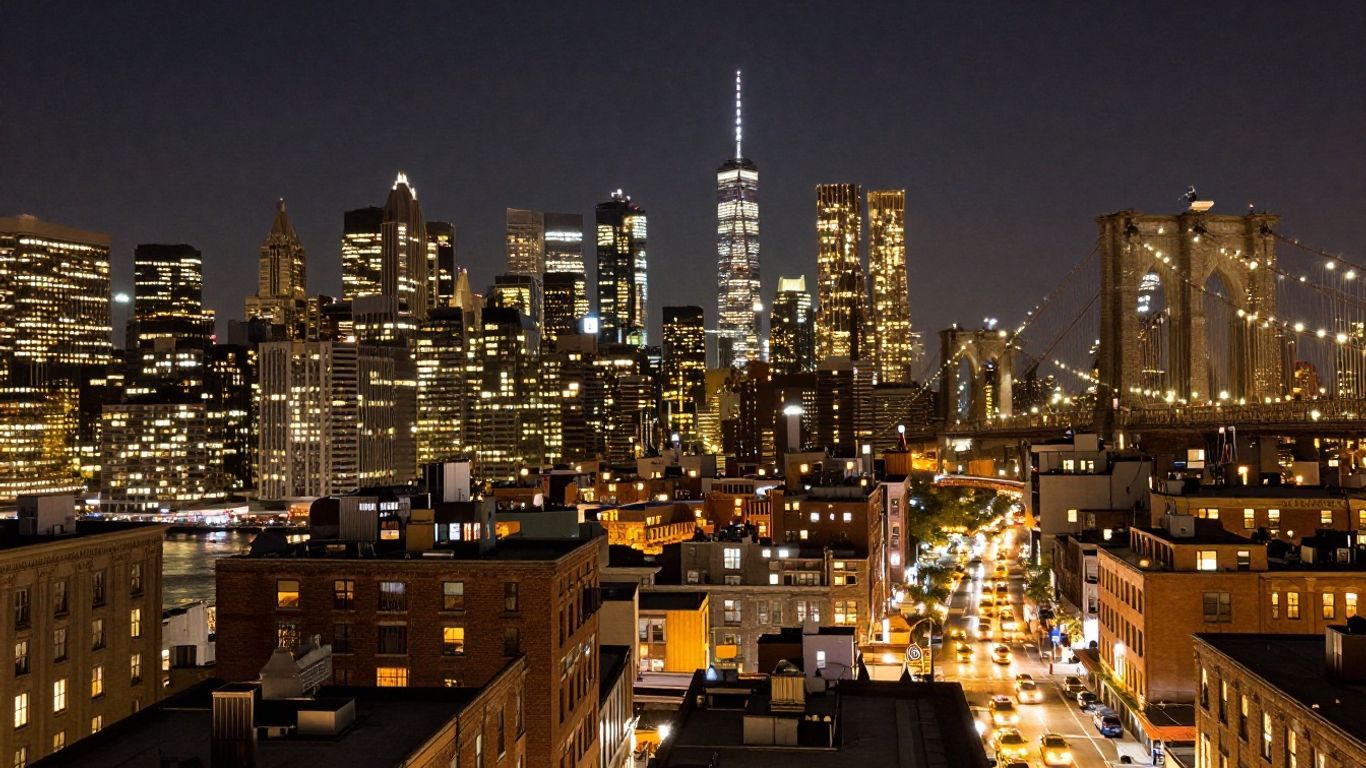
New York City, a metropolis that scarcely requires an introduction, stands as a global powerhouse of culture, finance, and, increasingly, smart city innovation. Having confronted substantial challenges, the city has exhibited an extraordinary capacity for adaptation and reconstruction, unequivocally proving its resilience. With its immense metropolitan population, it remains a perpetual hub of activity and an exemplary case study of how a vast, intricate urban environment can thoughtfully embrace new technologies.
The city is making considerable strides in seamlessly integrating artificial intelligence into its expansive urban fabric. In late 2023, New York introduced the nation's inaugural comprehensive AI Action Plan, designed to guide the responsible deployment and governance of this transformative technology. This plan marks a pivotal step towards ensuring that AI benefits all residents equitably.
Here are some key domains where New York is forging ahead:
- AI and Data Integration: Collaborative efforts, particularly with entities like IBM, are enabling the city to leverage AI and data analytics to optimize service delivery. This translates into improved traffic management and more efficient public utilities.
- Public Connectivity: The extensive LinkNYC network provides complimentary public Wi-Fi throughout the city. These multifaceted kiosks offer more than just internet access; they also collect invaluable data on pedestrian movement, which is instrumental in planning future infrastructure.
- Urban Redevelopment: Ambitious projects such as Hudson Yards West are successfully transforming former industrial zones into dynamic new neighborhoods complete with parks and contemporary architecture. Concurrently, in Lower Manhattan, older office buildings are being reimagined as residential spaces, while new cultural venues are emerging.
- Smart Building Initiatives: A focused drive aims to reduce energy consumption in buildings and expand air quality monitoring systems, thereby cultivating a healthier environment for residents.
New York's comprehensive approach vividly demonstrates a resolute commitment to utilizing technology not solely for operational efficiency, but also to enhance the quality of life for its millions of inhabitants, brilliantly fusing its iconic status with a forward-looking vision.
10. Stockholm
Stockholm, the distinguished capital of Sweden, possesses a unique ability to blend its rich historical charm with a formidable capacity for innovation. Spanning across 14 islands, it offers a harmonious juxtaposition of breathtaking natural beauty and the vibrant energy characteristic of a major metropolitan hub.
Stockholm has notably served as the genesis for some of the world's most acclaimed tech companies, including Spotify and Minecraft. This success was no mere coincidence; back in the 1990s, the city strategically invested in developing what would become the world's largest open-fiber network, effectively laying the groundwork for its subsequent technological boom. Areas like Södermalm, once primarily industrial, now pulsate with the dynamism of startups and creative ventures.
Sustainability is also a deeply ingrained principle here. Stockholm is widely recognized as a leader in eco-friendly urban planning. Residents benefit from an extensive network of bike paths and an exceptionally efficient public transport system. Moreover, being embraced by both saltwater and freshwater bodies means there are abundant opportunities for swimming and simply appreciating the picturesque scenery. The city is unequivocally dedicated to preserving green spaces and ensuring their accessibility for all.
Here's a concise overview of some key statistics:
- Metro Population: Approximately 2.3 million residents.
- Labor Force Participation: Ranks among the top 10 globally.
- Air Quality: Consistently achieves very high rankings, contributing to a healthy living environment.
The city's exemplary approach to seamlessly integrating technology into daily life, all while diligently preserving its natural environment and distinctive historical character, stands as a compelling model for urban development worldwide.
Should you visit, ensure you explore Gamla Stan, the enchanting old town, with its charming 18th-century architecture. And for culinary enthusiasts, the New Nordic cuisine scene is nothing short of fantastic, offering a delightful fusion of traditional flavors with modern interpretations. If your visit happens to be in the summer, you'll be treated to the famously extended days, with almost 24 hours of daylight – an ideal setting for extensive exploration.
11. Zurich
Zurich, Switzerland's largest city, is a veritable powerhouse, particularly renowned for its financial prowess and exceptional quality of life. It consistently ranks among the most livable places globally, and for very compelling reasons. Beyond its esteemed reputation as a major financial center, Zurich is wholeheartedly embracing technology and sustainability, firmly positioning itself as a robust contender in the smart city landscape.
What truly distinguishes Zurich is its formidable economic strength, significantly propelled by leading corporations and a highly skilled workforce. Furthermore, prestigious institutions like ETH Zurich continually attract top-tier talent, which in turn fuels the city's vibrant innovative spirit. It's hardly surprising, then, that residents consistently report an extraordinarily high level of satisfaction with their lives there.
In terms of technological advancement, Zurich is making substantial inroads, particularly in the domain of artificial intelligence. The city is already deploying AI in over 200 distinct applications across various sectors, unequivocally demonstrating a clear commitment to utilizing novel tools to enhance both business operations and public services. It is this unique blend of financial gravitas, astute technology adoption, and an elevated standard of living that renders Zurich an outstanding example of a modern smart city.
Zurich eloquently demonstrates how an urban center can effectively serve as both a preeminent global financial hub and a pioneering leader in urban innovation and resident well-being.
12. Oslo
Oslo, Norway's picturesque capital, has truly elevated its urban game in recent years. Far from being solely defined by its stunning fjords and renowned museums, the city is actively constructing a future that is both intelligent and environmentally conscious. This transformation is palpable in the redesign of its thoroughfares and its visionary approach to developing new residential areas.
Oslo is distinguishing itself through a profound commitment to sustainability and by enhancing accessibility for all its citizens. The city has implemented some remarkably forward-thinking initiatives, such as reallocating parking spaces to create dedicated bike lanes—a significant shift that actively encourages non-vehicular transit.
Here are a few defining characteristics that make Oslo stand out:
- Cycling Infrastructure: The city is unequivocally serious about cycling. Oslo consistently earns high rankings for its bike-friendliness, and one will notice a burgeoning presence of bike lanes, often repurposed from former parking areas. The overarching goal is to make cycling easier and considerably safer.
- Environmental Focus: The city is vigorously working to improve air quality and substantially reduce its ecological footprint. This commitment extends to exploring cleaner construction methodologies, a crucial consideration for a growing urban center.
- Urban Design: Ambitious projects like the Fjord City are successfully transforming antiquated industrial zones into vibrant new neighborhoods. These endeavors aim to create modern housing and public spaces that seamlessly connect residents to the waterfront.
Oslo is powerfully demonstrating that an urban center can experience growth and innovation while simultaneously maintaining a deep commitment to environmental stewardship and the well-being of its residents. It represents a practical and distinctly 21st-century approach to urban living.
It's fascinating to observe how Oslo is thoughtfully blending progressive ideas with the inherent natural beauty of its surroundings. The city's dedication to these transformative changes is evident, making Oslo an increasingly inviting and pleasant place to reside.
13. Tallinn
Tallinn, Estonia, is rapidly garnering significant recognition within the global smart city community. It seems to have mastered the art of harmonizing old-world charm with ultra-modern technology, creating an urban synergy that simply works. A key initiative they are championing is the "15-minute city" concept. Essentially, this means that the majority of residents' daily necessities – including retail outlets, parks, and essential services – should be conveniently accessible within a 15-minute walk or bike ride from their homes. Quite an ingenious idea, wouldn’t you agree?
What truly distinguishes Tallinn is its unwavering commitment to digital governance, or e-governance. The city has made it exceptionally straightforward to conduct various civic activities online, such as voting and tax submissions. This represents a significant leap towards making municipal services more broadly accessible to everyone.
Here are a few pivotal areas where Tallinn is making impressive strides:
- Digital Governance: Online platforms for voting, tax filing, and other public services are now standard practice.
- Sustainability: The city is actively investing in renewable energy sources and enhancing the eco-friendliness of its public transportation.
- Smart Mobility: Residents benefit from free public transport, and there's a concerted effort to alleviate traffic congestion.
Tallinn is effectively illustrating that one doesn't need to be a colossal metropolis to be a leader in smart city innovation. Their dedicated focus on simplifying and greening residents' lives through intelligent technology offers valuable lessons for other urban centers seeking similar advancements.
Furthermore, the city places a high priority on preserving its green spaces. This includes a push for more renewable energy and public transport options that minimize environmental impact. It's a thoughtful approach that instills a sense of confidence in its urban dwellers.
14. Reykjavik
Reykjavik, the capital of Iceland, is truly establishing a name for itself by eloquently demonstrating how advanced technology and profound environmental stewardship can seamlessly coexist. Its vision extends beyond mere modernity; it's fundamentally about constructing an urban environment that is beneficial for both its people and the planet.
The city is resolutely striving to achieve carbon neutrality by 2040, an undeniably ambitious objective. This monumental goal is being pursued through focused efforts in several critical areas:
- Clean Energy: Reykjavik is practically a global benchmark in this regard. Nearly all of its electricity is sourced from natural, renewable resources such as geothermal and hydropower – a compelling example of harnessing natural provisions responsibly.
- Digital Services: Like many progressive smart cities, Reykjavik has transitioned a significant portion of its public services online. This strategic move simplifies administrative tasks for residents, allowing them to complete necessary procedures with greater ease and minimal hassle.
- Green Travel: The city actively encourages cleaner modes of transportation. This includes substantial investments in electric buses and ensuring the proliferation of safe and accessible cycling infrastructure.
Reykjavik's methodology powerfully illustrates that an urban center can achieve remarkable growth and innovation while simultaneously maintaining an unwavering commitment to safeguarding its pristine natural surroundings. It is, unequivocally, a smart strategy for long-term prosperity.
It’s quite impressive how a city situated amidst such dramatic natural landscapes is also at the cutting edge of urban innovation. They are unequivocally proving that sustainability is not just an abstract concept, but a thoroughly practical and effective operational model for a city.
15. Frankfurt
Frankfurt, frequently dubbed "Mainhatten" due to its striking skyline along the Main River, is a city that adeptly marries its formidable financial strength with a genuinely high quality of life. Beyond its prominent banking sector, this is an urban center that consistently thinks ahead.
Frankfurt serves as a pivotal European financial hub, home to both the European Central Bank and the Frankfurt Stock Exchange. This significant status has only been further solidified, particularly through its strategic responses to shifting financial dynamics across Europe. Beyond finance, the city is actively transforming its urban landscape. Ambitious projects like FOUR Frankfurt are reshaping the city’s architectural profile, creating dynamic new areas for both living and working.
The city's burgeoning start-up ecosystem is also thriving, with notable success in sectors such as insurance technology, cybersecurity, and fintech. We are witnessing the emergence of companies that are truly gaining momentum, underscoring Frankfurt's appeal as a fertile ground for new business growth.
Here are a few aspects that notably distinguish Frankfurt:
- Airport Connectivity: Frankfurt Airport is a globally significant aviation hub, consistently ranking very high for its exceptional connectivity of people and goods worldwide. It processes millions of travelers annually.
- Growing Skyline: Frankfurt boasts many of Germany's tallest buildings, with further high-rise developments underway. This signifies a city undergoing continuous expansion and modernization.
- Start-up Ecosystem: The city actively fosters new businesses, especially within tech-centric fields like fintech and cybersecurity.
Frankfurt is diligently working towards enhanced sustainability and improved urban mobility. These concerted efforts are crucial for ensuring it remains a highly functional and appealing city for all its residents and visitors alike.
16. Chicago
Chicago, the iconic "Windy City," is making substantial strides in the smart city domain. Its focus extends beyond merely implementing flashy technology; the city is genuinely committed to optimizing functionality for everyone while simultaneously enhancing its environmental stewardship. A testament to this is its remarkable achievement of powering all city buildings and operations with 100% renewable energy—a truly significant accomplishment that leverages solar, wind, and other clean sources to reduce pollution and foster healthier air quality.
In terms of infrastructure, Chicago is investing considerable effort into intelligent upgrades. Envision streetlights that dynamically dim in the absence of activity to conserve power, sensors strategically placed on bridges and roadways that provide real-time condition monitoring, and advanced water systems designed to mitigate floods and ensure a continuous supply of clean water.
Chicago is strategically utilizing data to inform smarter decisions regarding municipal operations. By meticulously analyzing traffic flow, prevailing weather patterns, and invaluable public feedback, the city is refining public services, working to alleviate traffic congestion, and ensuring that emergency services can respond with greater expediency.
The city's progressive approach clearly illustrates that urban growth and development can indeed occur without compromising environmental integrity. It serves as a compelling example for other cities aspiring to achieve similar sustainable transformations.
Here are some of the key areas where Chicago is innovating:
- Renewable Energy: All city facilities now operate entirely on 100% renewable energy sources.
- Smart Infrastructure: This encompasses adaptive streetlights, sophisticated traffic sensors, and advanced water management systems.
- Data-Driven Governance: Leveraging analytics to optimize public services and municipal operations.
- Sustainability Initiatives: A robust commitment to reducing the city's carbon footprint and promoting cleaner air.
Looking Ahead: The Ever-Evolving Smart City
So, we've explored a diverse array of cities, each pioneering remarkable advancements through technology to significantly improve urban life. It's unequivocally clear that smart cities are not a fleeting trend; rather, they are rapidly becoming the new standard for how we inhabit metropolitan areas. By implementing sophisticated transport systems, greener building practices, and more interconnected services, these innovative urban centers are effectively tackling complex problems and streamlining daily experiences for everyone. It’s genuinely exciting to contemplate what comes next, as these transformative ideas propagate and cities worldwide discover how to become more intelligent, more supportive, and better prepared for future challenges. Indeed, this journey is truly just beginning.
Frequently Asked Questions
What exactly is a smart city?
A smart city can be thought of as an urban environment that strategically employs advanced technology and data to elevate the quality of life for all its residents. It's fundamentally about making essential aspects like transportation, energy consumption, and access to municipal services operate more efficiently and, crucially, in a manner that is more environmentally conscious.
What are some of the most exciting new ideas in smart cities?
Urban centers are demonstrating exceptional creativity! Some of the most compelling innovations include enhancing connectivity through intelligent transportation systems, developing neighborhoods using eco-friendly urban planning principles, delivering highly intuitive digital public services, optimizing waste management, and prioritizing energy efficiency in building design and operation.
How do smart cities help protect the environment?
Smart cities place a strong emphasis on environmental preservation. They actively utilize clean energy sources such as solar and wind power, diligently work to minimize waste generation, and develop transportation systems designed to reduce air pollution and its adverse effects.
What role does technology play in making a city smart?
Technology serves as the fundamental intelligence of a smart city. Tools like smart sensors, interconnected devices, and sophisticated computer programs empower cities to gather real-time insights into various urban dynamics—such as traffic patterns or energy usage. This data-driven understanding enables them to make informed decisions that improve virtually every aspect of city life.
Which cities are leading the way in becoming smart?
Numerous cities are achieving incredible progress! Urban centers like Singapore, Copenhagen, Helsinki, and Barcelona are frequently cited as leading examples, primarily due to their exemplary work in leveraging technology and sustainability initiatives to significantly enhance the well-being of their populations.
How do people living in smart cities benefit?
Residing in a smart city often translates into access to superior public services, greater ease of navigation, enhanced safety, and cleaner air. The overarching goal is to render daily life more convenient and enjoyable, all while concurrently caring for our planet.


