
resources
Beyond the Top 29: A Comprehensive Guide to U.S. State and Capital Pairs
12 Apr 2026

Curious about the states and their capital cities? It's a fundamental aspect of American geography, often surfacing in trivia or simply when you're looking to refresh your knowledge. While many of us are familiar with the larger, more prominent capitals, the United States boasts 50 states in total, meaning there are 50 unique state-capital pairings—and getting a firm grasp on all 29 state and capital pairs can indeed be a challenging feat. This comprehensive guide aims to streamline that learning process, taking you well beyond the most commonly recognized pairings. We'll systematically break them down, helping you understand precisely which capital corresponds to which state.
Key Takeaways
- Mastering all 50 states and their capitals significantly enhances one's general knowledge.
- This comprehensive guide delves into state and capital pairs beyond just the most commonly recognized ones.
- A solid understanding of these pairings proves valuable for trivia, educational pursuits, or even future travel planning.
- We've meticulously organized this information to simplify the learning process for the 29 state and capital pairs.
- Ultimately, this resource is designed to offer a clear and straightforward method for internalizing state capitals.
1. Wyoming
Let's turn our attention to Wyoming, a state that, while often remaining somewhat understated, offers a wealth of intriguing facts. Notably, it stands as the least populated state in the U.S., which naturally translates to an abundance of expansive, wide-open spaces.
When it comes to its capital, that distinction belongs to Cheyenne. Situated in the southeastern corner of the state, it holds the title of Wyoming's most populous city. Cheyenne is particularly celebrated for its significant railroad history and its internationally renowned annual Cheyenne Frontier Days—a spectacle recognized as one of the largest outdoor rodeo and Western celebrations globally.
Here are a few essential facts about Wyoming:
- Capital: Cheyenne
- Largest City: Cheyenne
- Population: Approximately 580,000 (as of recent estimates)
- Nickname: The Equality State
Did you know that Wyoming holds the distinction of being the first state to grant women the right to vote, way back in 1869? This notably progressive stride earned it the enduring nickname "The Equality State" and undeniably established a significant precedent for other states to emulate.
While it may not boast the bustling crowds of some other states, Wyoming truly offers a singular experience, highlighted by its immense natural beauty, encompassing iconic sites like Yellowstone and Grand Teton National Parks. It is, without a doubt, a place where one can profoundly appreciate the sheer vastness and untamed spirit of the American West.
2. South Dakota
Moving eastward, our journey now brings us to South Dakota. This particular state, much like Wyoming, often doesn't receive the widespread attention it deserves, yet it possesses a truly distinctive charm and a host of unique characteristics.
Upon hearing "South Dakota," images of majestic Mount Rushmore and the rugged Badlands might immediately spring to mind. However, this Midwestern state offers far more than just its world-famous landmarks. It's a region steeped in rich history, boasting a profound connection to its breathtaking natural landscapes, and inhabited by a populace that deeply values its heritage.
Here are a few compelling facts about South Dakota:
- Capital: Pierre
- Largest City: Sioux Falls
- Nickname: The Mount Rushmore State
- Motto: Under God, the people rule
South Dakota's economic backbone is largely agricultural, with corn and soybeans serving as predominant crops. Ranching, too, holds considerable importance, significantly contributing to the state's identity as a leading producer of beef.
The state's geography is remarkably diverse, transitioning from the rolling hills of the Black Hills in the west to the expansive, flatter plains that define its eastern reaches. This varied terrain supports a wide array of wildlife and presents numerous recreational opportunities, making it an ideal destination for those who truly appreciate the great outdoors.
3. Alaska
Alaska, the undisputed largest state by sheer area, stands as a realm of immense natural splendor and unique challenges. Its capital, Juneau, distinguishes itself as one of only two state capitals in the entire nation that cannot be accessed by road, necessitating travel by either plane or boat. This very isolation contributes significantly to Juneau's distinct character and its crucial role as a vital hub for the entirety of Southeast Alaska.
When you envision Alaska, you might conjure up images of boundless wilderness, towering mountains, or perhaps even the ethereal glow of the Northern Lights. It's a state that genuinely captures the imagination. Yet, beyond its stunning landscapes, Alaska possesses a rich history and a vibrant culture, both profoundly shaped by its rugged environment and its resilient people.
Here are a few fascinating facts about Alaska:
- It's huge: To put its scale into perspective, Alaska is larger than Texas, California, and Montana combined—a truly staggering expanse.
- Rich in resources: The state is renowned for its vast oil, natural gas, and mineral wealth, all of which play a pivotal role in its robust economy.
- Unique wildlife: Alaska provides a sanctuary for an incredibly diverse array of animals, including formidable bears, majestic moose, magnificent whales, and soaring eagles.
- The Iditarod: This world-famous sled dog race spans over 1,000 grueling miles from Anchorage to Nome, serving as an ultimate test of endurance for both mushers and their dedicated dog teams.
Nestled dramatically between imposing mountains and the serene Gastineau Channel, the capital city, Juneau, thrives on an economy heavily reliant on government, tourism, and mining. Despite its notably remote locale, Juneau surprisingly offers a rich tapestry of cultural activities and exhilarating outdoor adventures, ranging from captivating whale watching tours to challenging hikes within the sprawling Tongass National Forest.
Related Contents: biggest state in usa
4. Florida
Ah, Florida! The aptly named Sunshine State. It's a place many of us immediately associate with pristine beaches, thrilling theme parks, and perhaps even a leisurely retirement. But venturing beyond the well-trodden tourist trails, Florida reveals a state with a truly unique character and a capital city that might just take you by surprise.
The capital of Florida is Tallahassee.
Now, Tallahassee isn't typically found on the average Florida vacation itinerary. It's nestled in the Florida Panhandle, somewhat removed from the bustling coastal metropolises. This particular placement imbues it with a distinct ambiance—one that feels more akin to a traditional Southern capital than a vibrant beach resort. It's known for its gently rolling hills, picturesque oak canopy roads, and a noticeably slower pace of life when compared to the energetic rhythms of Miami or Orlando. The city serves as the crucial center for state government and is proudly home to both Florida State University and Florida A&M University, fostering a dynamic, educated populace.
Here's a quick glimpse at some key facts about Florida:
- Population: Over 22 million people proudly call Florida home, establishing it as the third most populous state in the U.S.
- Area: Spanning a considerable expanse, it ranks as the 22nd largest state by land area.
- Economy: Tourism, agriculture (particularly citrus and cattle), and aerospace stand as its predominant industries.
When you contemplate Florida, you likely envision its world-famous attractions, don't you? It's a state that annually draws millions for its unparalleled natural beauty and diverse entertainment options. If you're planning a visit, gaining an understanding of the state's intricate geography—from the sun-drenched Keys to the charming Panhandle—can genuinely help you maximize your experience. It's an incredibly diverse state with an abundance to offer, and its capital, Tallahassee, plays a quiet yet profoundly important role in shaping its identity.
Florida's deep and compelling history is inextricably linked to its unique geography. Its extensive coastline and strategic location have rendered it a perennial point of interest for diverse groups throughout history, ranging from ancient Native American tribes to intrepid Spanish explorers and, subsequently, American settlers. This rich and layered past is vividly reflected in its distinctive architecture and cherished cultural traditions.
5. New Hampshire
New Hampshire, affectionately known as the Granite State, has embarked on some rather noteworthy changes concerning its tax structure. For a considerable period, it stood as one of the few states that eschewed a broad individual income tax, though it did levy taxes on interest and dividend income. That, however, has recently shifted.
In a genuinely significant legislative move, New Hampshire completely eliminated its tax on interest and dividend income, effective January 1, 2025. This pivotal decision means the state no longer taxes most forms of personal income, thereby placing it in a similar category to states like Florida and Texas regarding individual income taxation. This is quite a development!
Unsurprisingly, this change has had a noticeable impact on its ranking in terms of tax competitiveness. Prior to this, Montana had actually held a more favorable position than New Hampshire, but following the repeal of the interest and dividend tax, New Hampshire impressively climbed several spots. It's undeniably a substantial shift for both residents and businesses evaluating the state's financial landscape.
Here's a quick look at how New Hampshire currently stacks up in terms of its various tax components:
- Overall Rank: Witnessed a significant improvement, ascending three places.
- Individual Income Tax Rank: Experienced a substantial leap of 12 places, directly reflecting the elimination of the interest and dividend tax.
- Corporate Tax Rank: Continues to demonstrate strong competitiveness, maintaining a robust position.
- Sales Tax Rank: Generally performs exceptionally well, given the complete absence of a state sales tax on general goods and services.
The strategic decision to remove the interest and dividend tax was a calculated one, meticulously aimed at attracting a greater number of residents and fostering increased investment within the state. This move considerably simplifies the tax landscape for many individuals, particularly those whose financial portfolios rely significantly on investment income.
While the state does not impose a sales tax on the majority of goods, it's worth noting that some specific services or items might be subject to other types of fees or taxes. Nevertheless, for the average person, the elimination of the interest and dividend tax represents perhaps the most impactful change in New Hampshire's recent tax history.
6. Tennessee
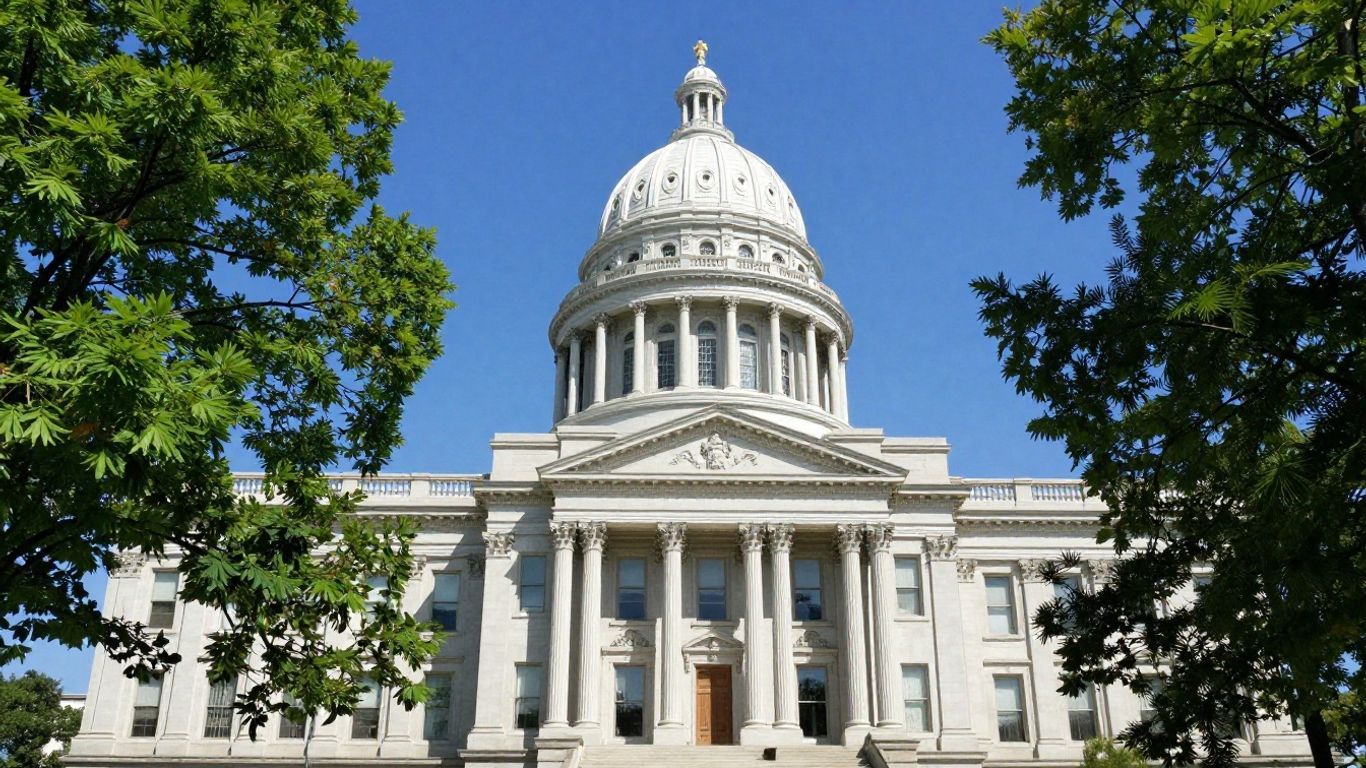
Next up on our insightful journey through the states is Tennessee, a place renowned for its vibrant music scene, profound history, and breathtaking natural beauty. It's a state that genuinely pulsates with energy and activity, stretching from the picturesque rolling hills of the east to the mighty Mississippi River in the west.
When we examine Tennessee's standing in terms of its economy and overall societal well-being, the data consistently reveals a state demonstrating interesting trends. While it may not always claim the absolute top spot, it reliably remains a significant contender, showcasing consistent performance across various crucial metrics.
Here's a quick look at some of the data points that collectively paint a comprehensive picture of Tennessee's attributes:
- Music City, USA: Nashville, the state capital, is famously recognized as the heart of country music, attracting aspiring artists and devoted fans from every corner of the globe.
- Historical Significance: From pivotal Civil War battlefields to the ancestral homes of presidents like Andrew Jackson and Andrew Johnson, Tennessee is deeply steeped in the rich tapestry of American history.
- Natural Wonders: The majestic Great Smoky Mountains National Park, gracefully straddling the border with North Carolina, proudly stands as one of the most frequently visited national parks in the entire country.
Reviewing some recent rankings, Tennessee has impressively maintained its own. For instance, in one particular set of metrics, it was positioned around 11th in 2025 with a score of 5.62, and it commendably sustained a similar standing in 2026. This notable stability strongly suggests a robust and resilient foundational structure.
While Tennessee may not consistently command headlines for unequivocally leading in every single category, its steady performance across a diverse range of metrics unequivocally indicates a state that is reliably progressing forward. It's a remarkable place that skillfully balances its rich cultural heritage with a pragmatic and forward-thinking approach to development.
So, while the capital city, Nashville, is deservedly famous for its incredibly vibrant music scene, the state as a whole presents a diverse array of attractions and dynamic economic activities that undeniably make it a noteworthy stop on our grand tour.
7. Texas
Ah, Texas. The iconic Lone Star State. It's a place that immediately conjures up vivid images of expansive, wide-open spaces, quintessential ranches, and an almost palpable sense of state pride. When it comes to its capital, many people might instinctively guess Houston or Dallas, given their immense size and widespread fame. But actually, the true capital of Texas is Austin.
Isn't it fascinating how Texas, a state renowned for its sheer scale and formidable economic power, boasts a capital city that has blossomed into a vibrant hub for something distinctly different: music and technology? Austin has truly, and quite remarkably, carved out its own unique identity over the years.
Here's a concise overview of some key facts:
- State: Texas
- Capital: Austin
- Largest City: Houston
- Nickname: The Lone Star State
Texas has consistently positioned itself in the upper echelons for its economic performance, frequently demonstrating robust scores across various crucial metrics. This inherent economic strength is clearly mirrored in its diverse industries, which span from the traditional oil and gas sectors to cutting-edge technology and thriving agriculture. The state's famously business-friendly environment has successfully attracted a multitude of companies, significantly contributing to its impressive and sustained growth. For more comprehensive details on state economic rankings, you can explore them here.
Austin's remarkable transformation from a relatively quiet college town to a major metropolitan center is, frankly, quite a story. It has now evolved into a premier destination for world-class music festivals, innovative tech startups, and a profoundly vibrant cultural scene—all while commendably retaining a unique, laid-back vibe that truly sets it apart from other large Texas cities.
8. Nevada
Nevada, often referred to as the Silver State, is widely recognized for its expansive desert landscapes and, of course, its incredibly vibrant entertainment scene. Yet, beyond the glittering casinos and the iconic Las Vegas Strip, Nevada possesses a truly unique economic profile.
When we meticulously assess how Nevada measures up in terms of tax competitiveness, it typically finds itself situated somewhere in the middle tier. It's neither among the states with the lowest tax burden nor is it categorized among the highest-taxed states. This strategic balance is a significant consideration for many businesses and residents when deciding where to establish their base.
Here's a quick look at some of Nevada's tax rankings from a recent index:
- Corporate Tax Rank: 41
- Individual Income Tax Rank: 41
- Sales Tax Rank: 47
- Property Tax Rank: 19
- Unemployment Insurance Tax Rank: 47
Nevada's distinctive tax structure is notably characterized by the absence of a state individual income tax, which serves as a substantial draw for a multitude of individuals. However, to compensate for this, the state relies more heavily on sales and property taxes to adequately fund its essential state services.
The state's overall tax competitiveness score has experienced some fluctuations over the years, reflecting shifts in its economic policies and how those compare to other states. For instance, in the 2026 rankings, Nevada was positioned at 41st overall, achieving a score of 4.08—a slight but discernible improvement from the previous year's rank of 42 and score of 3.99.
This effectively means that while Nevada does not impose an income tax, its other tax burdens—particularly its sales and unemployment insurance taxes—place it in a somewhat less competitive position compared to states that boast lower rates in those specific categories. It's an interesting trade-off that profoundly shapes the state's financial landscape.
9. Washington
Moving northward, we arrive at the Evergreen State, Washington. It's a place justly celebrated for its breathtaking natural beauty, stretching from the dramatic Pacific coast to the majestic Cascade Mountains. But when our discussion turns to its capital, our focus shifts inland to Olympia.
Olympia may not be the largest city in Washington, nor does it command as much attention as the bustling metropolis of Seattle; nevertheless, it confidently holds its own. It serves as the undisputed seat of government, the very place where state laws are meticulously crafted and vigorously debated. The city is gracefully positioned at the southern end of Puget Sound, a location that endows it with a unique and charming waterfront character.
Here are a few notable aspects of Olympia:
- It's home to the Washington State Capitol Building. This architecturally impressive structure stands as a prominent landmark in the city, offering both guided tours and a valuable glimpse into the intricate workings of the state's political machinery.
- The city boasts a historic downtown area. Here, you can wander amidst charming old buildings, discover a variety of local shops, and savor meals at unique eateries, all contributing to its distinct and inviting atmosphere.
- It's enveloped by water and lush forests. This stunning natural setting profoundly influences the lifestyle and the myriad recreational activities readily available to both residents and visitors alike.
While Seattle often captures the lion's share of the spotlight for its cutting-edge tech industry and vibrant cultural pulse, Olympia quietly but steadfastly functions as the administrative heart of Washington. It serves as a compelling reminder that the capital city doesn't always need to be the biggest or most famous to exert profound importance and influence.
So, the next time you reflect on Washington, take a moment to recall Olympia. It's a city imbued with a quiet strength, profoundly connected to the state it so dutifully serves.
10. Delaware
Delaware, often proudly dubbed the "First State" because it was the inaugural state to ratify the U.S. Constitution, is a small yet remarkably significant player in the American landscape. It's a state that genuinely punches above its weight, particularly when it comes to fostering an exceptionally business-friendly environment.
When we examine how states are positioned in terms of tax competitiveness, Delaware generally maintains a respectable standing. It typically isn't found at either the very top or the very bottom of the rankings, instead occupying a middle ground that proves appealing to a broad spectrum of entities.
Here's a concise overview of its ranking across various tax categories:
- Corporate Tax Rank: Delaware frequently performs well in this area, rendering it a highly attractive jurisdiction for businesses.
- Individual Income Tax Rank: This is one aspect where Delaware tends to reside in the middle of the pack among states.
- Sales Tax Rank: Delaware famously imposes no statewide sales tax, which stands as a considerable draw for both consumers and businesses alike—a truly distinguishing feature.
- Property Tax Rank: Property taxes in Delaware are generally perceived as moderate when compared to those in some other states.
The absence of a sales tax stands as Delaware's most significant distinguishing feature. This policy, synergistically combined with its well-established and highly respected corporate law, has firmly cemented its reputation as a premier hub for business incorporation. Consequently, a considerable number of companies strategically elect to legally establish themselves in Delaware, even if their primary operational footprint lies elsewhere.
While it may not consistently grab the headlines like some of its larger neighboring states, Delaware's unique fiscal policies and its profound historical significance unequivocally make it a state worthy of close attention in any discourse concerning U.S. states and their economic characteristics.
11. Montana
Montana, often affectionately referred to as "Big Sky Country," is a state characterized by a rather unique tax landscape. While it may not always be in the news for major tax policy overhauls, it certainly has its own distinct methods for balancing revenue requirements with the impact on its taxpayers.
In recent years, Montana has indeed witnessed some shifts in its tax structure. One particularly noteworthy change involved its property tax system. Rather than maintaining a flat rate, the state introduced a tiered property tax structure. This essentially means that different tax rates are applied, varying according to the value of the property. The underlying rationale behind this adjustment was to recalibrate the tax burden, though it didn't necessarily translate into a broad tax cut for every individual.
Here's a quick look at how Montana's tax components have been ranked:
- Corporate Tax Rank: Often positioned within the top 20, indicating a competitive environment for businesses.
- Individual Income Tax Rank: This category has experienced some fluctuation, generally settling in the middle tier.
- Sales Tax Rank: Crucially, Montana does not impose a state sales tax, which is a significant advantage for both consumers and businesses operating within its borders.
The state's considered approach to taxation frequently reflects a delicate balance between leveraging its vast natural resources and the inherent need to adequately fund public services across its immense geographic area. Property taxes, in particular, fulfill a pivotal role in the funding mechanisms for local government.
Compared to some other states, Montana's tax system has been broadly characterized as having a moderate overall impact. While it proudly maintains no sales tax, its income and property taxes are areas that both residents and businesses keep a close eye on. The state's ranking can naturally fluctuate, influenced by policy changes enacted by other states as well as its own internal adjustments.
12. North Dakota
Let's take a moment to explore North Dakota, a state that, while perhaps not always in the national spotlight, possesses its own distinct charm and a capital city well worth getting to know.
Bismarck is the capital of North Dakota. It's strategically situated in the central part of the state, gracefully positioned right on the Missouri River. While it doesn't hold the title of North Dakota's largest city (that honor belongs to Fargo), it unequivocally serves as the political and administrative heart of the state. Bismarck's history is deeply intertwined with the development of the Northern Pacific Railway and the broader westward expansion of the United States.
Here are a few compelling aspects that make North Dakota and its capital genuinely interesting:
- Theodore Roosevelt National Park: This magnificent park, nestled in western North Dakota, stands as a testament to the state's rugged, untamed beauty and its profound connection to the 26th U.S. President. It's an exceptional destination for both invigorating hiking and captivating wildlife viewing.
- Bismarck's State Capitol Building: Affectionately known as the "Tower of the Plains," this impressive structure is one of the tallest buildings in North Dakota and offers truly panoramic views from its observation deck.
- Economic Diversity: While agriculture has historically served as a foundational backbone, North Dakota has also experienced significant growth in energy production, particularly oil and gas, which has profoundly impacted its economy in recent decades.
North Dakota's expansive landscape is characterized by its gently rolling prairies, dramatic badlands, and an overwhelming sense of wide-open space. It's a place where you can genuinely appreciate the sheer vastness of the American plains and the indomitable resilience of its people.
13. Utah
Next up on our journey through the states is Utah, a place renowned for its stunning natural beauty and, perhaps surprisingly, its remarkably consistent performance across various crucial metrics. When you think of Utah, you might immediately picture the vast red rock landscapes of Zion and Arches National Parks, or perhaps the shimmering Great Salt Lake. But there's considerably more to this Western state than just its breathtaking scenery.
Utah has consistently demonstrated strong performance in terms of its economic and social well-being. It's a state that frequently appears in the top tier for factors such as economic growth and overall quality of life, which is, frankly, quite impressive.
Let's examine some of the data that helps to paint a comprehensive picture of Utah's commendable standing:
| Metric Category | Utah's Position (Approx.) |
|---|---|
| Economic Growth | Top 10-15 |
| Quality of Life | Top 10-20 |
| Overall Performance | Top 15-20 |
What exactly contributes to Utah's consistently solid performance? Several key factors appear to play a significant role:
- A strong business environment: Utah has earned recognition for its notably business-friendly climate, successfully attracting new companies and fostering a culture of innovation.
- A young and growing population: This particular demographic trend often correlates strongly with a dynamic workforce and a vibrant, expanding economy.
- Emphasis on education and workforce development: Strategic investments in these critical areas can directly lead to the cultivation of a highly skilled labor force, which is, of course, immensely attractive to businesses.
Utah's consistent presence in the upper echelons of various state rankings is by no means accidental. Rather, it profoundly reflects a deliberate and sustained focus on meticulously creating an environment where both businesses and residents can genuinely thrive. This careful balance between robust economic opportunity and an exceptional quality of life is undeniably something many states ardently strive for.
So, while Utah might not always capture the headlines with the same frequency as some of its larger neighbors, its steady and impressively strong performance makes it a state unequivocally worth paying close attention to.
14. Idaho
Next up on our insightful tour is Idaho, a state often immediately associated with its famously abundant potatoes, but rest assured, it boasts far more dynamism than just its agricultural prowess. Its capital city, Boise, is, in fact, a remarkably vibrant place, especially when you consider its somewhat secluded location.
Idaho's positioning in various ranking categories can certainly fluctuate, but it generally maintains a solid and respectable standing. For instance, a review of some recent data indicates that Idaho has consistently appeared within the top 20 for certain key metrics.
Here's a concise overview of how Idaho has been performing in a few crucial areas:
- Rank in 2025 Score: 14
- Score in 2025: 5.85
- Rank in 2026: 14
- Score in 2026: 5.85
It appears Idaho demonstrates remarkable consistency, steadfastly holding its ground year after year. This stability is quite intriguing when one considers the state's diverse economy, which encompasses not only farming but also significant sectors such as mining, lumber production, and a rapidly expanding tech industry.
Boise, the state capital, is considerably more than just a mere dot on the map. It functions as a bustling hub for business, a thriving center for culture, and a prime destination for outdoor recreation, consistently drawing individuals with its high quality of life and unparalleled access to nature. The city has experienced steady and sustained growth, serving as a clear reflection of the state's overall dynamic development.
15. Indiana
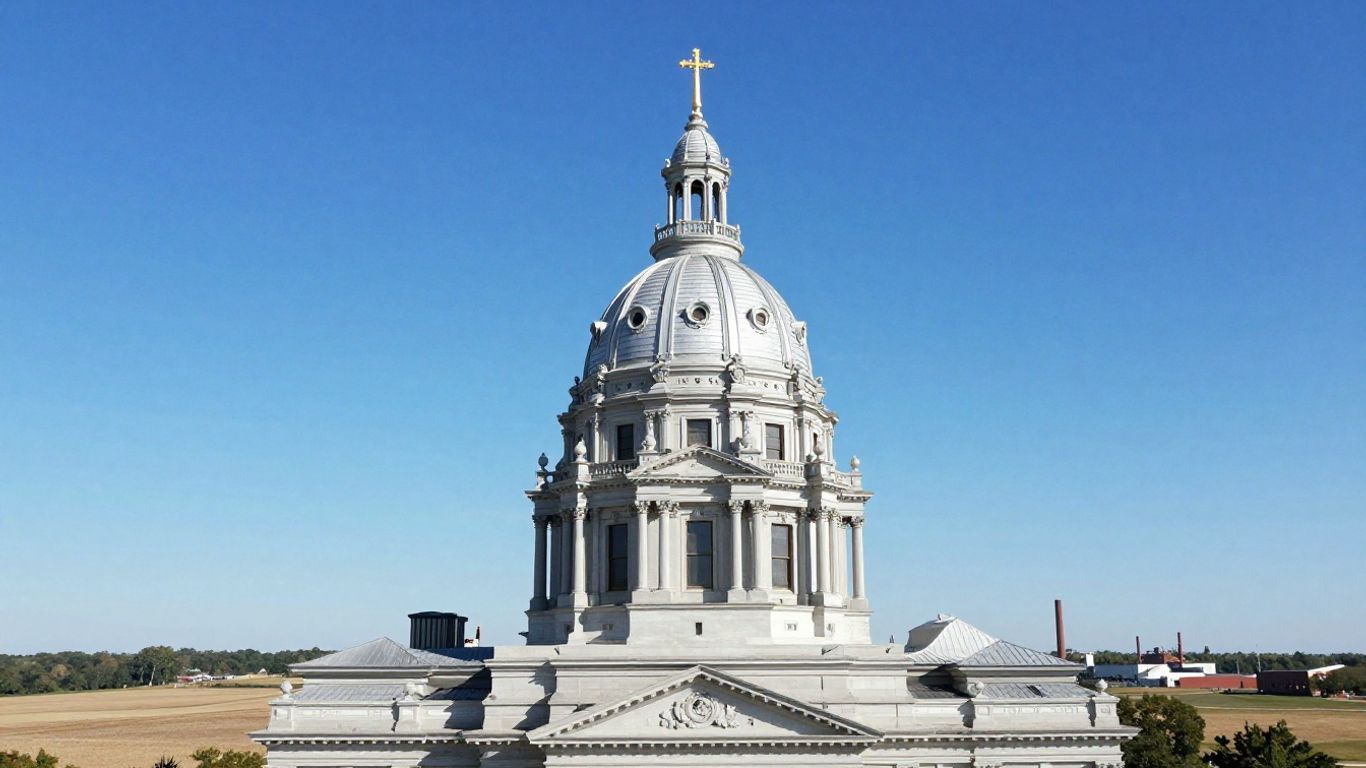
Let's now discuss Indiana, affectionately known as the Hoosier State. It's a place brimming with quintessential heartland charm and, perhaps surprisingly, a remarkably diverse economy. When you envision Indiana, do you picture vast cornfields? Indeed, agriculture undeniably holds significant importance here. However, it also stands as a major player in manufacturing, particularly within the automotive and pharmaceuticals sectors.
Indianapolis, the capital city, proudly stands as the largest city in the state and serves as a dynamic hub for both sports and major conventions. It's famously home to the iconic Indy 500, a truly legendary event that annually draws colossal crowds from all corners of the globe.
Here's a concise overview of some key aspects of Indiana:
- Capital: Indianapolis
- Nickname: The Hoosier State
- Key Industries: Manufacturing, Agriculture, Pharmaceuticals, Logistics
- Notable Landmarks: Indianapolis Motor Speedway, Indiana Dunes National Park, Lincoln Boyhood National Memorial
Indiana's strategic location in the Midwest positions it as an ideal spot for transportation and distribution. It boasts a robust infrastructure, including an excellent network of highways and railways, which significantly facilitates the movement of goods for businesses.
The state possesses a rich and compelling history, tracing its roots from its early days as a frontier territory to its pivotal role in subsequent industrial development. This unique blend of its past and present imbues Indiana with a distinctive character that is truly worth exploring.
16. Missouri
Missouri, often proudly called the "Show-Me State," is a truly fascinating place, rich with history and boasting a remarkably diverse landscape. Positioned right in the heart of the U.S., it serves as a significant crossroads for various cultures and industries.
When it comes to its capital, that distinction falls to Jefferson City. While it may not be the largest city in Missouri, it undeniably holds a crucial position as the seat of government. The city is gracefully situated on the Missouri River, a waterway that has played a profound role in its development and, indeed, in the state's broader historical narrative.
Here are a few compelling facts about Missouri:
- The state bird is the delightful Eastern Bluebird.
- Missouri is celebrated for its extensive cave systems, with over 6,000 mapped caves documented within the state.
- It stands as a major producer of essential crops such as soybeans and corn.
- The state song that resonates with its people is "The Missouri Waltz."
Missouri's economy is quite varied, with agriculture, manufacturing, and services all contributing significantly. The state has experienced some fluctuations in its rankings over the years, but it consistently emerges in discussions concerning economic performance.
Missouri's central position in the Midwest has historically cemented its role as a vital hub for transportation and trade across many centuries. Its extensive river systems, and later its burgeoning railroads, were absolutely essential for connecting the burgeoning East with the expanding West.
Jefferson City itself is a rather picturesque city, deeply steeped in history. It is notably home to the Missouri State Penitentiary, which was once counted among the oldest prisons in the U.S. and possesses a truly storied past. Beyond its historical sites, the city also prides itself on its beautiful architecture and a strong, palpable sense of community.
17. North Carolina
North Carolina, often affectionately referred to as the "Old North State," is a place that harmoniously blends a rich history with a dynamic and forward-looking present. It's a state that skillfully balances its cherished Southern roots with an innovative, progressive approach, making it a particularly intriguing location to explore.
When the conversation turns to its capital, North Carolina offers a clear and unwavering choice: Raleigh. It has proudly served as the state capital since 1792, a decision made due to its strategically central location. Raleigh is an integral component of the renowned Research Triangle, which stands as a major hub for advanced technology and groundbreaking research—a clear testament to the state's ongoing growth and evolution.
Here's a concise overview of some key facts about North Carolina:
- Capital: Raleigh
- Largest City: Charlotte
- Nickname: The Old North State
- Motto: Esse Quam Videri (To Be, Rather Than to Seem)
North Carolina's economy is notably diverse. It has evolved considerably beyond solely agriculture, though tobacco and cotton continue to play significant roles. Today, you'll find thriving sectors in advanced manufacturing, cutting-edge technology, and even a burgeoning film industry. This robust mix helps ensure the state's economy remains strong and adaptable, whatever challenges may arise.
The state's geography is also remarkably varied, gracefully stretching from the majestic Appalachian Mountains in the west to the serene Atlantic coast in the east. This inherent diversity means you can encounter all sorts of breathtaking landscapes, from expansive mountain vistas to sun-drenched sandy beaches, all contained within the boundaries of a single, captivating state.
18. Wisconsin
Moving onward to the Badger State, Wisconsin, we discover a place steeped in rich history and possessing a profound connection to its abundant natural resources. When you think of Wisconsin, images of delectable cheese and picturesque dairy farms probably spring to mind first, and indeed, that's an undeniably significant part of its identity. However, there's considerably more to this vibrant Midwestern state than just its famously robust dairy industry.
Wisconsin's capital is Madison, a city celebrated for its stunning natural setting, gracefully nestled between two sparkling lakes—Mendota and Monona. It also functions as a vital hub for both education and government, with the prestigious University of Wisconsin-Madison and the imposing State Capitol building serving as prominent landmarks. The city emanates a truly vibrant atmosphere, frequently hosting lively farmers' markets and diverse cultural events.
Here are a few captivating facts about Wisconsin:
- The state is an undisputed leader in dairy production, proudly earning it the moniker 'America's Dairyland'.
- It is home to the iconic Harley-Davidson Museum, a destination that reverently celebrates the legendary motorcycle brand.
- Wisconsin boasts an incredible more than 15,000 lakes, providing an abundance of opportunities for diverse recreational activities.
- The state is also deeply recognized for its significant and storied brewing history, with Milwaukee having once been revered as the very beer capital of the world.
Wisconsin's economy has historically relied heavily on agriculture, particularly dairy farming, but it has commendably diversified over the years to encompass robust manufacturing, healthcare, and burgeoning technology sectors. This skillful blend of enduring tradition and innovative progress profoundly shapes the state's unique and resilient character.
From its gently rolling hills and dense forests to its bustling cities, Wisconsin offers a truly unique slice of American life. Its capital, Madison, perfectly embodies the state's harmonious blend of natural beauty and intellectual vitality.
19. Michigan
Michigan, famously known as the Great Lakes State, is a genuinely fascinating place, boasting a rich history and a remarkably diverse economy. It's widely recognized for its pivotal automotive industry, its stunning freshwater coastlines, and a unique geography distinctly split into two peninsulas.
When it comes to its capital, Lansing may not be the most famous city in Michigan, but it undeniably plays a vital and central role in the state's governance. Lansing officially became the capital in 1847, taking over this distinction from Detroit. It's a mid-sized city whose population reflects its status as both a center for state government and a dynamic hub for education and various industries.
Here are a few key facts about Michigan:
- Geography: Uniquely composed of two distinct peninsulas, the Lower Peninsula and the Upper Peninsula, which are gracefully separated by the Straits of Mackinac.
- Economy: Historically driven by the powerful manufacturing sector, particularly the automotive industry, but has successfully diversified into technology, healthcare, and agriculture.
- Natural Resources: Boasts extensive freshwater coastlines on four of the magnificent Great Lakes, significant tracts of forests, and valuable mineral deposits.
Michigan's capital, Lansing, is strategically situated in the southern part of the Lower Peninsula. It's a city that skillfully balances its essential governmental functions with a lively cultural scene and a strong, palpable sense of community.
Lansing's development as the state capital was, notably, a deliberate and strategic choice. The aim was to relocate the center of government away from the state border and establish it in a more central location within the rapidly growing state. This foresightful decision has profoundly shaped Lansing into the administrative heart of Michigan as we know it today.
20. Arizona
Next up on our insightful list is Arizona, a state justly celebrated for its stunning desert landscapes and vibrant, energetic cities. The capital of Arizona is Phoenix, a sprawling metropolis that also proudly stands as the most populous city in the state. It's a dynamic place where you can discover everything from world-class resorts to truly unique cultural experiences.
Arizona's trajectory through various rankings reveals a state that has been actively working to enhance its standing. While its precise position has naturally shifted over the years, the available data consistently suggests a sustained effort in maintaining and, indeed, improving its performance.
Here's a look at Arizona's recent performance metrics:
| Year | Rank | Score |
|---|---|---|
| 2025 | 15 | 5.45 |
| 2026 | 14 | 5.52 |
When you consider Arizona, you might immediately picture the majestic Grand Canyon, but truly, there's so much more to explore. The state offers an incredibly diverse range of activities, from invigorating hiking amidst Sedona's iconic red rocks to immersing oneself in the historic streets of Tucson. Phoenix itself is a veritable hub of activity, boasting a thriving food scene and a plethora of museums.
Arizona's economy is commendably diverse, benefiting from significant contributions across tourism, mining, and agriculture. Moreover, the state has been strategically expanding its technology and healthcare sectors, clearly demonstrating a forward-looking approach to sustained development and growth.
So, whether you're drawn to its awe-inspiring natural beauty or its rapidly expanding urban centers, Arizona offers a unique and compelling blend of experiences. It's a state that continues to evolve, making it an especially interesting subject in our exploration beyond the traditionally top-ranked states.
21. Pennsylvania
Pennsylvania, often fittingly referred to as the "Keystone State," possesses a profoundly rich history and a notably diverse economy. It stands as a pivotal state that effectively bridges the Northeast and the Midwest, with major metropolises like Philadelphia and Pittsburgh playing truly significant roles in its character.
When we examine how Pennsylvania ranks across various categories, it reveals a mixed but generally robust performance. For instance, in one recent assessment, it was positioned at number 38 with a score of 4.78, while in another, it secured a rank of 34 with a score of 4.61. These figures collectively suggest a state with discernible areas of strength and some continued room for strategic improvement.
Here's a quick look at some key aspects:
- Historical Significance: As the proud home to Independence Hall and the revered Liberty Bell, Pennsylvania played an unequivocally central role in the foundational events of the United States.
- Economic Diversity: The state boasts notably strong sectors spanning manufacturing, agriculture, healthcare, and finance—a testament to its varied economic landscape.
- Education: Pennsylvania is distinguished by a significant number of colleges and universities, which, in turn, contribute substantially to its highly skilled workforce.
The state's geography is as varied and rich as its economy, featuring gently rolling hills, expansive forests, and a notable coastline along the shores of Lake Erie. This inherent diversity profoundly impacts everything from its agricultural output to its thriving tourism industry.
Pennsylvania's overall position can certainly fluctuate, but its fundamental strengths remain steadfast. It's a state deeply rooted in its past yet committed to a forward-looking approach, making it a truly fascinating case study in state rankings.
22. Georgia
Alright, let's now turn our attention to Georgia. This state, celebrated for its succulent peaches and undeniable Southern charm, also boasts a capital city that serves as a vibrant hub of activity. Atlanta, the state capital, stands as a major center for business, culture, and transportation throughout the entire Southeast. It's a city that seems perpetually in motion, gracefully blending its historical roots with a modern, forward-thinking dynamism.
When you analyze how Georgia stacks up in various rankings, it's quite interesting to observe the prevailing trends. For instance, in a recent assessment of state performance, Georgia demonstrated some notable positive movement.
| Year | Rank | Score |
|---|---|---|
| 2025 | 23 | 5.24 |
| 2026 | 18 | 5.38 |
This data clearly indicates a rather impressive jump in just a single year, which is certainly something worth acknowledging. It strongly suggests that things are moving in a positive direction for the state.
Here are a few key attributes that truly make Georgia stand out:
- Economic Growth: Georgia has consistently been a powerful player in economic development, successfully attracting businesses and fostering job creation.
- Cultural Richness: From its vibrant music scene to its numerous historical sites, Georgia offers a profound and diverse cultural experience.
- Educational Institutions: The state is proudly home to several well-regarded universities and colleges, contributing significantly to its intellectual capital.
Georgia's capital, Atlanta, is considerably more than just a political center; it's a dynamic, pulsating city that vividly reflects the state's continually evolving identity. Its strategic geographical location and expanding influence firmly establish it as a key player in the regional landscape.
23. Oklahoma
Oklahoma, often affectionately dubbed the "Sooner State," occupies a truly unique position within the U.S. It's widely recognized for its expansive, wide-open spaces and a history deeply intertwined with the dramatic land runs of the past. When individuals envision Oklahoma, they might picture rugged cowboys, a rich Native American heritage, or perhaps even the iconic stretches of Route 66.
Let's take a closer look at Oklahoma's performance in terms of state rankings over the past few years. These figures offer us a valuable snapshot of its standing across different crucial areas:
| Year | Rank | Score |
|---|---|---|
| 2025 | 28 | 5.24 |
| 2026 | 29 | 5.20 |
This data indicates a slight dip in its ranking between 2025 and 2026, accompanied by a small decrease in its overall score. It's always intriguing to observe how these rankings can shift, even marginally.
Beyond the numbers, Oklahoma's distinctive identity is shaped by several key aspects:
- Rich Cultural Heritage: As home to numerous Native American tribes, Oklahoma diligently preserves a vibrant cultural legacy through its museums, traditional powwows, and enduring customs.
- Economic Diversity: While historically synonymous with oil and gas, the state has been actively working to broaden its economic base, strategically expanding into sectors such as aerospace, agriculture, and cutting-edge technology.
- Natural Landscapes: From the gently rolling hills of the Ozarks in the east to the vast high plains in the west, Oklahoma offers a remarkably varied scenery and abundant opportunities for outdoor enthusiasts.
The state's capital, Oklahoma City, stands as a bustling hub that skillfully blends its Western roots with dynamic modern development, notably featuring a revitalized downtown area and a flourishing arts scene.
Truly understanding Oklahoma requires an appreciation of its complex history, its resilient people, and its ongoing journey toward sustained economic and cultural growth.
24. South Carolina
South Carolina, a state celebrated for its captivating Southern culture and picturesque coastline, also boasts a capital city that beautifully reflects its rich history and evolving modern identity. That city is Columbia.
Established in 1786, Columbia was a strategic choice for the state capital, intended to be more centrally located than Charleston, which had previously served as the colonial capital. The city's subsequent development was intrinsically linked to its role as a political center and, later, as a burgeoning hub for education and industry.
Here are a few intriguing facts about Columbia:
- It's affectionately known as the "Palmetto City," a charming nod to the state tree.
- The prestigious University of South Carolina, a major research institution, is proudly situated within its limits.
- The city is gracefully positioned at the confluence of the Saluda and Broad Rivers, which then merge to form the Congaree River.
Columbia's growth and development have been profoundly shaped by its dual role as a governmental seat and its strategic position as both an educational and economic center. The city's thoughtful layout and subsequent expansion skillfully reflect a blend of historical planning and modern progression, ultimately rendering it a truly dynamic place to explore.
While perhaps not always in the national spotlight, South Carolina's capital plays a vital and indispensable role in the state's affairs, offering a compelling glimpse into the Palmetto State's enduring heritage and continuous progress.
25. New Mexico and more
We've certainly covered a lot of ground so far, and now we're entering the final stretch of our exploration, focusing on New Mexico and the states that follow. It's quite interesting to observe how tax policies can continually shift and how states strategically position themselves within the ever-competitive economic landscape.
New Mexico, for instance, has been actively making some notable adjustments. In the 2026 State Tax Competitiveness Index, it achieved an overall rank of 17th, indicating a slight but significant move from its previous position. This kind of upward mobility often reflects strategic changes in tax rates or how those rates are meticulously structured.
Here's a quick overview of how New Mexico stacks up in some pivotal tax areas:
- Individual Income Tax: New Mexico operates with a tiered system, and its overall rank in this specific category can fluctuate based on changes in other states' rates, highlighting a dynamic environment.
- Corporate Income Tax: The state's nuanced approach to corporate taxes also significantly contributes to its overall competitiveness in attracting businesses.
- Sales Tax: Like the majority of states, New Mexico imposes a sales tax, and its specific structure directly impacts its standing in national rankings.
However, it's not simply about the raw numbers, is it? Tax policy is, fundamentally, a complex puzzle. States are consistently seeking innovative ways to balance their revenue needs with the imperative of attracting both businesses and residents. Sometimes, even a seemingly minor adjustment—perhaps a small change in a property tax structure or a subtle tweak to capital gains tax—can initiate a profound ripple effect across the entire economic ecosystem.
The tax landscape is unequivocally and constantly evolving. What might constitute a significant competitive advantage one year could become less so the very next, as other states proactively adapt their own policies. This inherent dynamic mandates that states remain strategic and highly adaptable in their approach to taxation to maintain their appeal to individuals and businesses alike.
As we delve beyond the conventionally top-ranked states, we encounter a diverse array of strategies actively in play. Some states deliberately focus on maintaining generally low overall tax burdens, while others might opt to offer highly specific incentives or implement unique tax structures altogether. It serves as a crucial reminder that there isn't a singular, one-size-fits-all approach to state taxation, and comprehending these nuanced differences is absolutely key to grasping the full, intricate picture of the U.S. tax environment.
Wrapping It Up
So, we've diligently traversed a vast landscape of states and their respective capitals, delving much deeper than merely scratching the surface of the usual suspects. It's quite fascinating, isn't it, just how many there are when you truly take the time to look? Hopefully, this comprehensive guide has made the task of keeping them all straight a little less daunting. Possessing this kind of geographical knowledge can prove incredibly handy for lively trivia nights, meticulously planning future trips, or simply for being a more generally informed citizen. There's an immense world of geography out there, and internalizing all the state-capital pairs is an excellent starting point for gaining a deeper understanding of the country. Keep practicing, and you'll undoubtedly become a pro in no time!
Frequently Asked Questions
What does the State Tax Competitiveness Index measure?
This index meticulously evaluates how individual states compare in terms of their overall tax systems. It scrutinizes various aspects, including income taxes, business taxes, sales taxes, property taxes, and unemployment insurance taxes. The primary objective is to ascertain which states exhibit greater competitiveness and identify areas where they could potentially implement improvements.
How are the states ranked?
States are assigned rankings based on a comprehensive scoring system that ranges from 0 to 10. A score of 0 signifies that a state possesses the least competitive tax system when compared to all other states, whereas a higher score indicates a more advantageous and competitive tax framework. It serves as a practical mechanism to illustrate how states align with each other, rather than against an unattainable, perfect ideal.
What happens if a state doesn't have a certain tax, like an income tax?
Should a state completely lack a specific tax, such as an individual income tax, it automatically receives the highest possible score for that particular category. This is because the absence of such a tax is universally regarded as a significant advantage for both businesses and individual citizens. The index then proceeds to compare other states based on their existing tax rates and how they manage that specific tax component.
Why is this index important?
Grasping how states levy taxes on businesses and individuals is crucial for enabling people to make well-informed decisions. It can offer valuable guidance to policymakers on how to strategically adjust their tax laws to attract more businesses or to enhance the economic well-being of their residents. Moreover, it serves as an incredibly useful tool for anyone with an inquisitive mind about how different states manage their financial affairs.
Are the rankings always the same?
No, the rankings are dynamic and can certainly change over time. States frequently adjust their tax legislation, and such alterations can directly influence their position within the index. The index is regularly updated to accurately reflect these modifications, making it prudent to consult for the most current information available.
Where can I find more detailed information about the rankings?
For a deeper dive, you can typically explore the interactive tools and extensive datasets that are often made available alongside these state rankings. These resources usually furnish more in-depth data on each state's particular tax system and meticulously detail how specific taxes contribute to their overall score, providing a comprehensive understanding.


